op Mistakes When Importing Toys & How to Avoid Costly Supply Chain Disasters
Introduction
Global toy sourcing offers buyers access to diverse squeeze toys, stress relief fidgets, plush animal figures and novelty children’s products at competitive volume pricing. Yet thousands of importers—from small boutique retailers to large wholesale distributors—repeat the same avoidable errors every season. Toy importing carries unique risks: strict global safety regulations, IP liability, fragile quality consistency, seasonal shipping bottlenecks and heavy financial penalties for compliance failures.
This guide breaks down the most frequent, damaging mistakes toy importers make, paired with actionable, buyer-focused fixes to protect your inventory, profit margin and market selling rights. The advice below centers on cross-border sourcing best practices aligned with EU, US and global retail marketplace rules, tailored for bulk toy buyers handling stress balls, stretch fidget toys, custom molded plastic novelties and children’s gift lines.
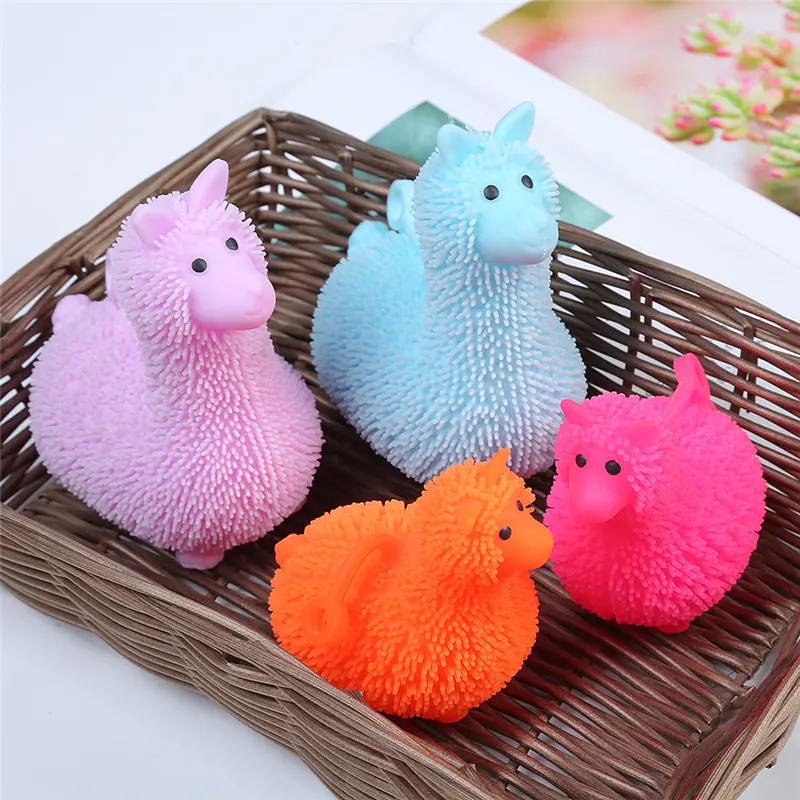
Mistake 1: Selecting Suppliers Based Only on Low Unit Price
The Risk
Price-first sourcing is the top pitfall for new and seasoned toy importers alike. Factories quoting drastically below market average often cut critical corners to hit low price points: cheap untested filling materials, substandard plastic resin, skipped safety testing, inconsistent mold craftsmanship and hidden add-on fees for packaging, customization or export documentation.
For squeeze toys, puffer balls and PVA stretch fidgets, low-cost raw materials can trigger chemical migration failures during third-party testing. What looks like a per-unit savings quickly evaporates into air freight rework, customs fines, returned retail stock or full cargo seizure. Many buyers overlook total landed cost, which includes tooling, compliance testing, shipping, duties and post-production repairs.
How to Avoid It
- Build a full cost breakdown for every quotation: unit price, custom mold fees, packaging, lab testing, inland factory logistics and export document charges.
- Compare suppliers on four pillars: safety certification portfolio, 20+ years toy manufacturing track record, third-party inspection acceptance and transparent material sourcing options (PVA, starch, LED inserts, bead fill, food-grade pectin).
- Reject quotes 15%+ below the industry average without written confirmation of identical material standards and safety testing coverage.
- Negotiate formal remake or refund clauses for mass production quality defects within your sales contract.
Mistake 2: Assuming Generic Certificates Cover Your Exact Toy SKUs
The Risk
Nearly all toy factories display CE, EN71, CPSIA, CPC and BSCI certifications on their websites, but most importers fail to verify whether these documents apply to their specific product line. Common compliance gaps include:
- Certificates issued for similar but not identical stress ball / animal squeeze toy models
- Expired lab test reports from non-accredited testing facilities
- Documentation missing matching product model numbers, material formulas or packaging specs
- Separate testing reports invalidated by last-minute design, filling or paint changes post-certification
US markets require importers to issue valid CPC documents tied to exact SKUs; EU border control cross-checks EN71 test data against shipment labeling. Mismatched paperwork results in cargo detention, steep demurrage fees, marketplace listing removal and permanent retail partner bans.
How to Avoid It
- Mandate batch-specific third-party lab testing for your custom-designed toys before mass production begins.
- Cross-reference every certificate with your golden sample: confirm product shape, filling medium, spray paint formula and age grading match test report descriptions.
- For US sales: secure CPSC-accredited lab reports and complete CPC documentation listing all ASTM F963 safety standards. For EU markets, validate full EN71 Part 1/2/3 plus REACH chemical compliance.
- Retain digital copies of all valid test reports, tracking labels and certificates for at least five years post-shipment.
Mistake 3: Skipping Full Sampling & Pre-Production Approval Workflows
The Risk
Many importers rush from reference images straight to mass manufacturing after reviewing a single basic prototype. Without a structured sampling process, critical flaws emerge after thousands of units are completed: inconsistent stretch texture on PVA squeeze toys, mismatched print colors on starfish or shark fidget designs, incorrect bead filling volume, fragile thin plastic walls and misaligned brand logos.
Custom molded novelty toys (giant 8cm stress balls, meteor hammer fidgets, animal dolphin/shark squeeze figures) rely on precise mold calibration; skipping pre-production sample sign-off locks you into irreversible production defects. Reshooting mass orders adds weeks of lead time and erases seasonal selling windows for holiday toy demand spikes.
How to Avoid It
Follow a four-stage signed sampling workflow with your supplier:
- Concept prototype: Validate shape, size and core functionality of stress relief toys.
- Revised sample: Lock in materials, filling options, paint finishes and branding details.
- Pre-production (PP) sample: Mirror 100% mass production specifications for safety testing.
- Golden sample: Dual-signed physical reference kept at both factory and buyer headquarters for all QC checks.
Only authorize full production once the golden sample passes internal and third-party safety inspection.
Mistake 4: Ignoring Intellectual Property & Licensed Design Risks
The Risk
Toy categories—animal squeeze characters, trending stress ball shapes, cartoon-inspired fidget figures—carry extreme IP liability. Importers who order unlicensed character designs, closely replicated patented novelty shapes or copied competitor stress toy lines bear full legal responsibility when customs seize cargo. Confiscated goods are typically destroyed, with no recourse to recover order deposits or shipping costs.
Even “original custom designs” face risk without formal IP protection agreements with manufacturers. Successful squeeze toy SKUs are frequently copied by competing factories mid-season, saturating your target market with identical low-cost alternatives.
How to Avoid It
- Never order products featuring movie, television or gaming character imagery without official brand licensing documentation.
- Conduct preliminary trademark and design patent searches for all exclusive custom toy molds before placing large volume orders.
- Sign non-disclosure and exclusive manufacturing contracts with your factory to restrict design replication for competitors.
- Register your unique toy shapes, logos and packaging trademarks in your target import market ahead of launch.
Mistake 5: Neglecting Pre-Shipment Third-Party Quality Inspections
The Risk
Trusting factory self-reported quality checks without independent oversight creates costly shipment surprises. Mass production defects common to plastic squeeze toys include uneven filling, leaking PVA gel, peeling spray paint, dimensional inconsistencies and incorrect unit counts per export carton.
Without pre-shipment inspection, defective pallets reach your warehouse or retail distribution centers. Returns, customer complaints and lost retail shelf placement damage long-term revenue far more than the modest cost of third-party QC audits. Seasonal importers face amplified losses when defective stock arrives days before peak sales windows.
How to Avoid It
- Schedule independent third-party inspection 2–3 days before container loading, covering random sampling of finished stress toys, packaging integrity, labeling compliance and quantity reconciliation.
- Require inspectors to cross-check finished goods against your signed golden sample for material, color and safety construction standards.
- Include a contractual clause allowing order rejection or full rework at factory expense if inspection failure thresholds are breached.
Mistake 6: Misunderstanding Incoterms & Underestimating Total Supply Chain Lead Time
The Risk
New importers often misinterpret FOB, EXW, CIF and DDP pricing terms, leading to unexpected last-minute charges for inland factory transport, port handling, customs clearance and destination delivery. Many also fail to build contingency buffers into production and shipping timelines, a critical error for time-sensitive toy inventory targeting Christmas, back-to-school or summer gift seasons.
Toy factories face regular production delays from raw material shortages, custom mold adjustments and mandatory safety testing cycles. Ocean freight congestion, customs document reviews and local warehouse processing add further hold-ups; buyers without buffer lead times miss retail order deadlines entirely.
How to Avoid It
- Clarify exact Incoterms in every purchase order and proforma invoice, listing which party covers factory loading, ocean freight, insurance, destination duties and local delivery.
- Build a minimum 20% contingency window into your overall lead time timeline to absorb production, port or customs delays.
- Place seasonal toy orders 60–90 days ahead of peak retail demand to bypass factory and shipping bottlenecks.
- Calculate full landed cost inclusive of all logistics, tax and compliance fees to set accurate retail pricing.
Mistake 7: Overlooking Mandatory Age Grading & Warning Label Compliance
The Risk
All jurisdictions enforce strict labeling rules for children’s toys, with severe penalties for missing or incorrect safety warnings. Small-part hazards on mini stress balls, loose bead filling inside squeeze animals and stretchable PVA material all require market-specific printed warnings:
- EU: “Not suitable for children under 36 months” choking hazard labeling
- US: CPSC-mandated tracking labels with importer contact, production batch and manufacturing date
- Global retail marketplaces require consistent age grading matching safety test data
A common sourcing error: final packaging designs are revised after safety testing, altering printed warnings or age ratings without updated lab validation. Customs and platform regulators reject shipments with mismatched labeling and certification data.
How to Avoid It
- Finalize packaging artwork, warning text and age grading labels before conducting formal safety testing.
- Request factory pre-production packaging samples to verify all regulatory text, symbols and tracking information.
- Confirm label language aligns with each target import market’s official consumer protection standards.
Mistake 8: Choosing Unsecure Payment Terms & Failing to Vet Factory Legitimacy
The Risk
Unverified toy manufacturers with fake business addresses or limited industry track records pose deposit fraud risks. Many new buyers agree to 100% advance wire transfers without staged payment schedules, losing capital if factories stall production or cease communication entirely. Even established suppliers create risk with opaque payment structures that offer zero buyer recourse for defective goods or delayed shipments.
Failure to validate factory credentials—operational square footage, permanent employee rosters, export certification history—also increases odds of partnering with trading intermediaries rather than actual manufacturing facilities, inflating per-unit costs without quality control oversight.
How to Avoid It
- Vet every factory with official business registration documents, full physical factory address, direct management contact details and multi-year toy production references.
- Structure staged payments: partial deposit for mold creation, mid-production payment after sample approval, final balance only pre-container loading post-inspection pass.
- Use secure trade payment platforms offering order dispute protection instead of unregulated direct wire transfers for large bulk orders.
Mistake 9: Failing to Plan Sustainable & Material-Specific Quality Control
The Risk
Modern toy retail buyers prioritize environmentally compliant, non-toxic materials for stress relief and squeeze toys. Many importers neglect to formalize material specifications in contracts, allowing factories to substitute cheaper, non-compliant fillings (low-grade untested plastic pellets, toxic pigment spray paint) without notification.
Even when eco-friendly PVA, starch or food-grade pectin fill is agreed upon, inconsistent batch mixing creates uneven stretch performance, gel leakage and chemical test failures. Long-term brand reputation suffers when retailers reject inventory over sustainability or material safety failures.
How to Avoid It
- Write exact material requirements into purchase contracts, specifying approved filling mediums, non-toxic paint formulas and recyclable packaging standards.
- Require material batch test reports alongside finished toy safety certifications for every production run.
- Prioritize manufacturers with standardized sustainable production workflows and documented eco-friendly raw material supply chains.
Mistake 10: No Post-Arrival Compliance & Inventory Contingency Strategy
The Risk
Most importers consider their sourcing job complete once goods clear customs, overlooking post-landing regulatory risks. Retailers and e-commerce platforms regularly conduct random product re-testing; outdated certificates, inconsistent batch quality or incomplete tracking labels trigger immediate listing suspension and product recalls.
Insufficient safety stock planning creates inventory shortages during unexpected demand spikes, while zero contingency stock leaves no replacement inventory if a single shipment fails compliance checks entirely.
How to Avoid It
- Store all compliance documentation in a searchable digital archive for instant retrieval during retailer or regulator audits.
- Maintain rolling safety stock equal to one to two months of average sales volume to offset supply chain disruptions or failed shipments.
- Schedule periodic random re-testing of in-stock toys to confirm consistent material and safety compliance across production batches.
Final Key Takeaways
Successful toy importing hinges on proactive risk mitigation rather than reactive damage control. The cost of cutting corners on safety certification, quality inspection, supplier vetting and contract clarity far outweighs the upfront investment in structured sourcing processes.
Post time: Jul-13-2026