Stress Balls for Hand Therapy: A Complete Buyer Guide
Introduction
Table of Contents
- Core Therapeutic Benefits of Hand Therapy Stress Balls
- Main Types of Stress Balls for Hand Therapy & Target End Users
- Key Filling & Shell Material Comparison for Bulk Buyers
- Non-Negotiable Compliance & Safety Certifications for Global Markets
- Critical Procurement Evaluation Metrics Before Placing Bulk Orders
- Matching Stress Ball Specifications to Different Customer Segments
- Customization Options to Boost Wholesale Margins
- Quality Control & Durability Benchmarks for Long-Term Inventory
- Best Practices for Bulk Sourcing & Inventory Planning
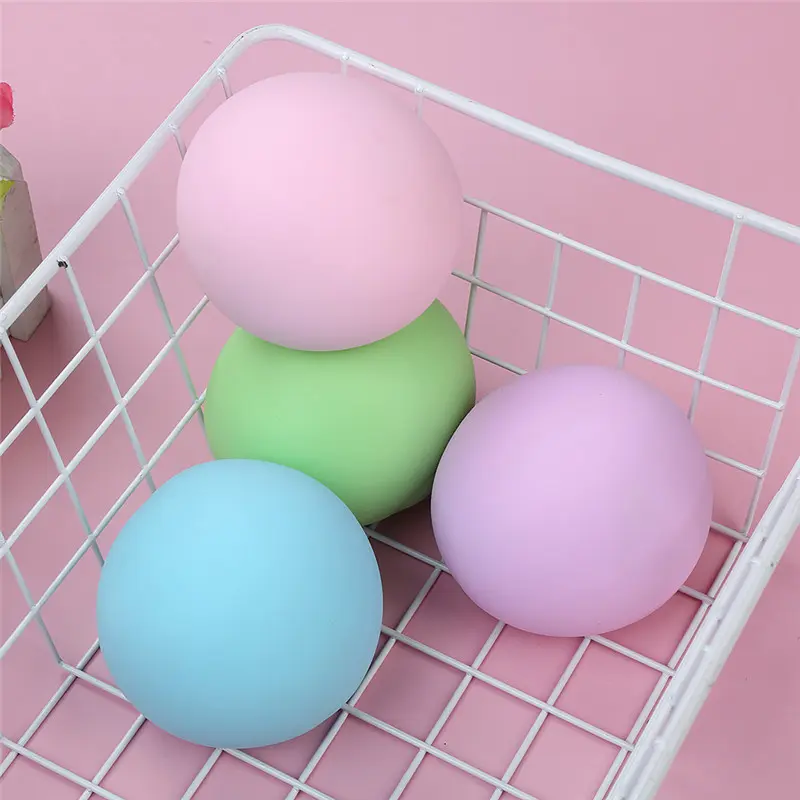
1. Core Therapeutic Benefits of Hand Therapy Stress Balls
- Improve grip & pinch strength: Consistent daily squeezing boosts forearm and finger muscle endurance, proven to lift grip strength by 20–25% after 8 weeks of regular use. Critical for post-surgery hand recovery, stroke rehabilitation and occupational therapy patients.
- Reduce joint stiffness & inflammation: Soft-resistance gel-filled models ease arthritis, tendonitis and carpal tunnel discomfort by boosting blood circulation in palm and wrist tissues.
- Relieve chronic tension & anxiety: Repetitive controlled squeezing activates somatic relaxation responses, lowering restlessness for office workers, students and users with sensory processing needs.
- Restore fine motor dexterity: Manipulating textured, shaped squeeze balls rebuilds finger coordination, suitable for pediatric fine motor training and adult hand function recovery.
- Portable daily wellness tool: Compact sizing allows use at desks, clinics, classrooms and travel, creating repeat purchase demand for multi-pack assortments.
2. Main Types of Stress Balls for Hand Therapy & Target End Users
Soft Gel-Filled Stress Balls
- Resistance level: Ultra-light to soft (1–3/10 compression force)
- Core application: Mild arthritis relief, early-stage injury rehabilitation, elderly users, pediatric sensory therapy
- Product traits: Smooth, slow rebound, minimal hand strain, low-intensity daily squeezing
PVA Stretchy Squeeze Balls
- Resistance level: Soft-medium (3–5/10)
- Core application: General stress relief, beginner grip training, daily office use, novelty retail
- Product traits: High stretchability, customizable animal/geometric shapes, optional bead or sand filling for layered tactile feedback
Solid Silicone/Rubber Therapy Balls
- Resistance level: Medium to firm (5–8/10)
- Core application: Advanced grip strengthening, athlete forearm training, late-stage hand injury recovery
- Product traits: Washable, tear-resistant, uniform rebound, color-coded resistance gradations for progressive training kits
Textured Puffer Stress Balls
- Resistance level: Variable (adjustable via internal filling density)
- Core application: Sensory therapy for ADHD, autism, tactile stimulation, retail impulse buys
- Product traits: Raised bump surface, spray-painted custom finishes, available in giant 8cm large sizing for big hands
Themed Animal-Shaped Therapy Squeeze Toys
- Resistance level: Customizable soft/medium fill
- Core application: Pediatric clinics, school supply retailers, gift bundles, children’s wellness lines
- Product traits: Dolphin, shark, starfish, cat and whale molded designs, low-choking-risk solid construction
3. Key Filling & Shell Material Comparison for Bulk Buyers
Internal Filling Options
| Filling Type | Core Advantages for Wholesale | Limitations | Best Market Fit |
|---|---|---|---|
| PVA gel | Smooth squeeze, adjustable softness, cost-effective mass production | May degrade with extreme heat storage | EU/US general retail, non-clinical consumer lines |
| Starch beads | Lightweight, eco-friendly decompression feel, low production cost | Higher leak risk if shell quality is substandard | Budget gift, stationery bundled SKUs |
| Fine sand | Steady medium resistance, consistent rebound | Adds product weight, higher shipping cost | Strength training therapy kits |
| Water-gel blend | Ultra-soft for sensitive arthritic hands | Strict temperature storage requirements | Medical clinic, senior care supply chains |
| LED light inserts | Premium novelty upsell feature, after-dark sensory use | Higher unit cost, extra compliance testing | Gift shops, seasonal limited assortments |
Outer Shell Materials
- Eco-Friendly PVC Plastic
Balanced cost and malleability, supports complex custom molding for animal and geometric shapes. Requires full heavy metal and phthalate testing for children’s product markets.
- Food-Grade Silicone
Top-tier clinical-grade material, fully washable, tear-resistant, zero toxic additives. Preferred for hospital, physical therapy clinic bulk orders, premium wellness brands. Higher unit cost but lower long-term return rates.
- Soft TPR Rubber
Mid-tier price point, non-slip textured surface options, consistent resistance retention. Ideal for mid-market retail multi-pack sets targeting office workers.
Sustainability Note
4. Non-Negotiable Compliance & Safety Certifications for Global Markets
European Union & UK Markets
- EN71 full suite testing (Part 1 mechanical safety, Part 2 flammability, Part 3 heavy metal migration)
- CE marking under EU Toy Safety Directive
- REACH SVHC chemical substance compliance for all raw materials
United States & Canada Markets
- CPSIA regulation compliance (strict lead and phthalate limits)
- CPC Children’s Product Certificate for all SKUs targeting users under 12
- ASTM F963 toy safety standard testing
Global Large Retail & Clinic Procurement
- BSCI factory audit certification (required for major supermarket, pharmacy chain bulk orders)
- Batch-wise production test reports for every shipment, available for buyer customs review
5. Critical Procurement Evaluation Metrics Before Placing Bulk Orders
- Resistance Consistency
Request sample testing of 5–10 units from the same production batch. Qualified manufacturing maintains ±0.5 resistance level variance; inconsistent firmness leads to high customer returns for therapy-focused SKUs.
- Rebound Retention Lifespan
Premium therapy stress balls should fully recover shape after 10,000+ repeated squeezes without permanent deformation. Budget novelty styles typically lose rebound after 1,000–3,000 uses, suited only for low-price impulse retail.
- Seam & Leakage Resistance
All molded shells must feature reinforced sealed seams. Fill leakage is the top customer complaint for cheap squeeze toys; clinical-grade lines use double-layer molding to eliminate split risk.
- Size Standardization
Common market sizing benchmarks:
- 5–6cm standard adult handheld ball
- 8cm giant large-format ball for big hands, elderly users
- Mini 3cm egg-shaped balls for finger-specific therapy
Confirm uniform diameter across mass production batches to avoid mismatched multi-pack assortments.
- Surface Finish Stability
Spray-painted decorative models must pass abrasion testing to prevent color transfer onto skin or fabric, a critical requirement for children’s and medical therapy products.
6. Matching Stress Ball Specifications to Different Customer Segments
Medical & Physical Therapy Clinics
- Prioritize silicone medium/firm resistance sets, color-coded progressive resistance kits
- Mandate full EN71, CPSIA, CPC certification and batch test documentation
- Low-decor, neutral solid color designs for clinical environments
- Multi-unit bulk packaging for institutional restock orders
Senior Care & Assisted Living Facilities
- Ultra-soft gel-filled low-resistance balls, large 8cm ergonomic sizing
- Non-slip smooth surface, no small protruding decorative parts
- Single-unit easy-grip retail packaging for individual resident use
Office Supply & Corporate Wellness Brands
- Mixed soft/medium PVA stress ball assortments, customizable logo printing
- Compact blister packaging for desk impulse sales
- Novelty geometric and minimalist spherical designs, low bulk shipping weight
Pediatric Clinics & School Districts
- Animal-shaped PVA squeeze toys, bead-filled textured tactile variants
- Strict small-part hazard testing, age-grading labeled packaging
- Bright, non-toxic paint finishes, multi-piece classroom packs
Gift & Seasonal Retail
- Puffer spray-painted novelty styles, LED light insert limited editions
- Mixed-animal themed display box assortments
- Flexible minimum order quantities for seasonal short-run stock
7. Customization Options to Boost Wholesale Margins
- Custom Mold Shaping
Bespoke animal, character, geometric or branded silhouette molds for private label lines. Factories with in-house mold development cut lead times for new custom SKUs.
- Custom Internal Filling Formulation
Adjust fill density to tailor soft/medium/firm resistance to client target users; mix sand, beads and gel for unique tactile sensory products.
- Surface Branding & Decoration
Full-color spray paint, screen-printed logos, embossed brand marks, matte/gloss surface finishes for retail differentiation.
- Custom Packaging Solutions
Private label blister packs, printed display cartons, multi-pack gift boxes, clinic institutional bulk polybag packaging with custom labeling.
- Size Modification
Scale standard molds to mini, standard or giant 8cm formats to create tiered product lines for different price brackets.
8. Quality Control & Durability Benchmarks for Long-Term Inventory
- Raw Material Pre-Production Inspection
All PVA, silicone, filling compounds and plastic shells undergo lab safety testing before molding to eliminate contaminated batches.
- Mid-Production Line Sampling
Hourly random unit pulls to test seam integrity, resistance consistency and surface finish quality, with defective units removed from production immediately.
- Final Finished Goods Full Batch Inspection
10–15% random sample testing of rebound performance, leakage risk and sizing uniformity before shipment packaging.
- No shell splitting under 15kg squeeze pressure
- Zero fill leakage after 72-hour drop and compression cycle testing
- No color fading or transfer after repeated skin contact and water washing
9. Best Practices for Bulk Sourcing & Inventory Planning
- Sample Validation First
Secure pre-production samples for compliance testing, resistance testing and retail display evaluation before committing to large MOQ orders, especially for custom private label ranges.
- Tiered Assortment Ordering
Split bulk orders into three core tiers: low-cost soft gel entry SKUs, mid-range silicone multi-pack therapy sets, premium custom novelty themed lines to balance profit margin and turnover speed.
- Lead Time Forecasting
Standard stock designs carry shorter production lead times; fully custom molded SKUs require extended mold development timelines, ideal for off-season advance ordering to avoid holiday stock shortages.
- Storage & Shipping Optimization
PVA gel-filled products require temperature-controlled warehouse storage to prevent premature material degradation. Group lightweight standard-sized balls into consolidated shipments to cut per-unit ocean freight costs.
- Long-Term Supplier Partnership Evaluation
Prioritize manufacturers with established 20+ year squeeze toy production history, dedicated quality control teams and full global certification coverage. Consistent compliance and stable production capacity reduce recurring sourcing risk for year-round wholesale restocking.
Conclusion
Post time: Jun-24-2026