Stress Ball Bulk Pricing Explained (Factory Direct Guide)
Table of Contents
- Core Logic of Stress Ball Bulk Pricing
- Key Factors Affecting Wholesale Prices
- Price Reference by Order Quantity
- Factory Direct vs Traders: Cost Comparison
- How Customization Impacts Pricing
- Quality Certifications and Cost
- Procurement Tips & Cost Optimization
- FAQ
1. Core Logic of Stress Ball Bulk Pricing
2. Key Factors Affecting Wholesale Prices
① Order Volume
- Small (100–500 pcs): Higher unit price, basic cost + small discount
- Medium (500–5,000 pcs): Clear price reduction, tiered pricing
- Large (5,000+ pcs): Optimal cost, customizable quotes
- Extra-large (10,000+ pcs): Near factory cost, full customization support
② Material & Filling
Fillings: sponge, gel, sand, water beads, LED, scented particles
Higher-grade eco-friendly, resilient, soft materials cost more; special fillings add modest premiums.
③ Craftsmanship & Design
- Solid color: Lowest cost
- Multi-color, spray paint, gradient: Small premium
- Logo/pattern/text printing: Charged by area & colors
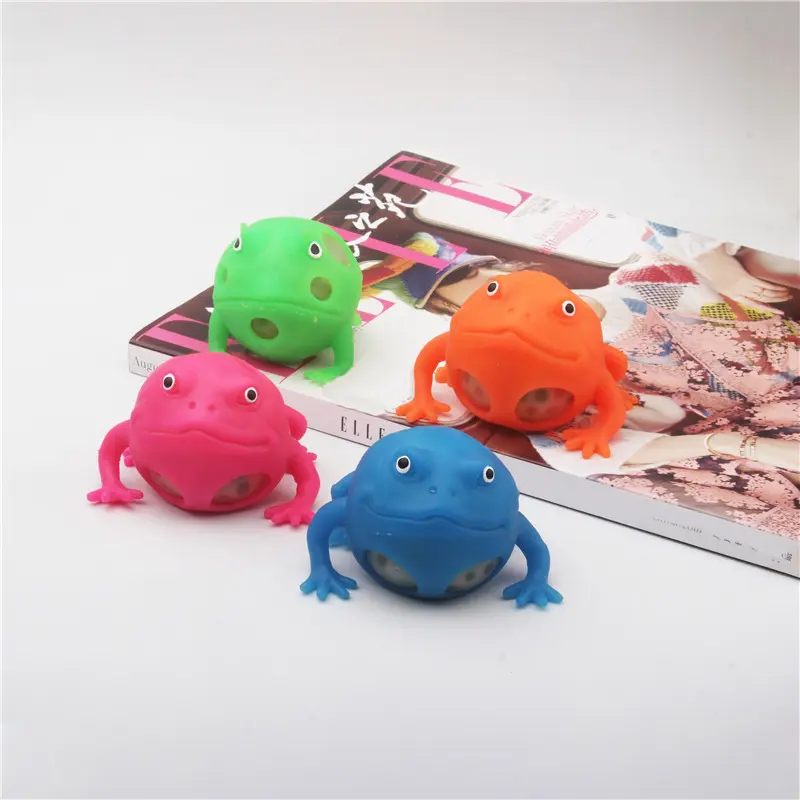
- Special shapes (animal, geometric, character): Higher molding cost
④ Quality & Certifications
⑤ Packaging & Lead Time
- Simple OPP bag: Lowest cost
- Color box, blister, header card, gift box: Extra cost
- Rush orders / air freight: Higher production & logistics cost
- Standard lead time: Most cost-efficient
3. Price Reference by Order Quantity (Factory Direct)
| Order Quantity | Basic Standard | Printed / Simple Shape | Premium Material / Complex Shape |
|---|---|---|---|
| 100–500 pcs | Medium | Medium-High | High |
| 500–2000 pcs | Medium-Low | Medium | Medium-High |
| 2000–10000 pcs | Low | Medium-Low | Medium |
| 10000+ pcs | Base | Low | Medium-Low |
4. Factory Direct vs Traders: Cost Comparison
- Factory Direct
- Price: Transparent, stable, no middleman markup
- MOQ: Flexible
- Customization: Full support for molding, printing, packaging
- Lead time: Predictable
- Quality: Full traceability, factory audits
- Traders
- Price: 15%–30% channel cost added
- MOQ: Smaller but higher unit price
- Customization: Limited, hard to personalize
- Lead time: Unreliable, dependent on suppliers
- Quality: Inconsistent standards, higher risk
5. How Customization Impacts Pricing
- Printing
- Single-color logo: Low cost
- Multi-color / large-area printing: Graduated cost
- Shape
- Existing mold: No mold fee, only color / material changes
- New mold: One-time mold cost, amortized over large volumes
- Packaging
- Neutral packaging: No extra cost
- Custom color box / manual / barcode: Charged by design & material
- Function
- Light-up, scented, color-changing, enhanced rebound: Small premium
6. Quality Certifications and Cost
- Use safer materials with no harmful substances
- Meet EU & US market access rules
- Lower customs risks and return rates
- Support better retail pricing and repeat orders
Certifications slightly raise unit cost but drastically reduce long-term trade risks.
7. Procurement Tips & Cost Optimization
- Clarify specs: material, size, function, certifications, packaging, target price
- Optimize MOQ: Aim for medium-large volumes for tiered low prices
- Combine orders: Mix styles in same material to reduce setup & shipping costs
- Plan ahead: Use standard lead times to avoid rush premiums
- Audit factories: Verify capacity, QC, and compliance
- Build long-term partnerships: Secure annual pricing & priority production
8. FAQ
A: Start with 500 pcs for testing; 2000+ pcs enters the best cost zone.
A: By number of colors, print area, and method (pad print, screen print, heat transfer); discounts for large volumes.
A: 7–15 days for standard items; 15–25 days for customized orders, depending on quantity and craft.
A: Factories usually support mixed styles of the same material for market testing.
A: Choose factories with full QC systems and international certifications; request pre-production, in-line, and pre-shipment inspections.
Post time: May-18-2026