Private Label Stress Balls: Step-by-Step Guide
Table of Contents
- Introduction: Why Private Label Stress Balls Are a High-Growth Merchandise Line
- Step 1: Lock Down Your Brand & Product Core Specifications
- Step 2: Select Raw Material & Filling Formulas Matching Your Market
- Step 3: Source & Vet Qualified Stress Toy Manufacturers
- Step 4: Concept Rendering, 3D Prototyping & Pre-Production Sampling
- Step 5: Mold Creation, Custom Brand Printing & Surface Finishing
- Step 6: Compliance Testing, Quality Control & Pilot Batch Validation
- Step 7: Mass Production, Custom Packaging & Label Customization
- Step 8: Inspection, Shipment Coordination & Post-Delivery Support
- Pro Buyer Tips to Cut Costs, Avoid Delays & Reduce Customization Risks
- Final Recap & Next Steps to Launch Your Private Label Line
1. Introduction: Why Private Label Stress Balls Are a High-Growth Merchandise Line
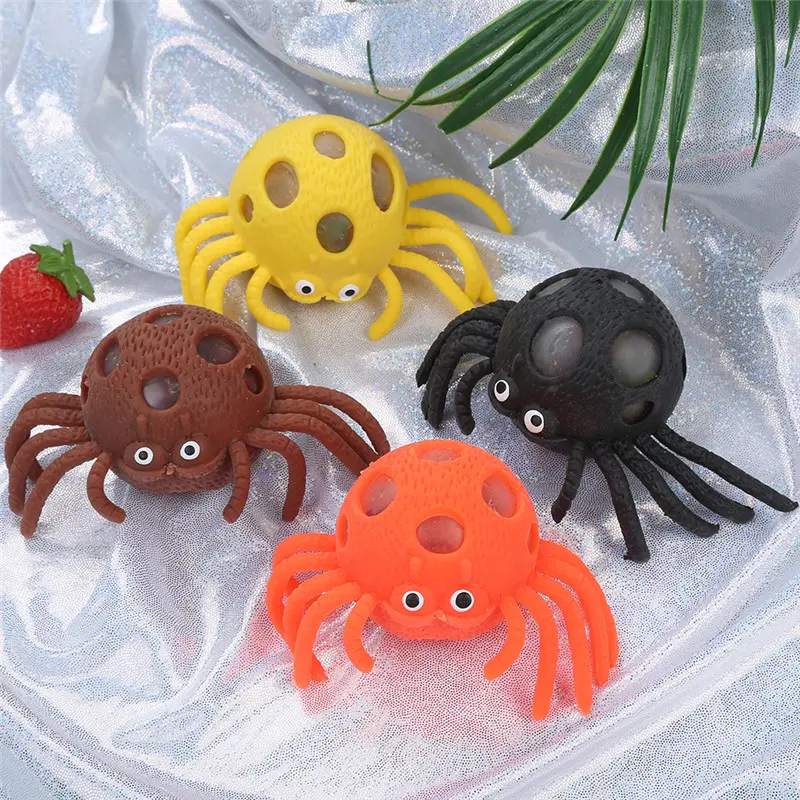
Stress relief squeeze toys, including classic stress balls, animal-shaped puffers, stretch fidget toys and geometric decompression balls, remain top-selling promotional, retail and gift items across global markets. For importers, brand distributors, promotional merchandise firms and retail operators, launching a private label stress ball line creates differentiated inventory that avoids generic commodity price wars, builds exclusive brand recognition and delivers steady repeat orders from corporate clients, gift retailers and e-commerce sellers.
Many new buyers hit avoidable roadblocks: mismatched material hand feel, faded brand printing, failed international safety certifications, delayed mold turnaround and inconsistent batch quality. This complete step-by-step guide is tailored exclusively for B2B procurement buyers, outlining every actionable stage from initial brand planning to finished goods delivery, with factory sourcing, compliance and cost control insights built into each workflow.
2. Step 1: Lock Down Your Brand & Product Core Specifications
Before reaching out to any manufacturer, finalize a fixed specification document to eliminate miscommunication during quotation and sampling. This document acts as your universal reference for all production partners.
Core details to define in advance
- Target market region: EU, North America, Australia or general global wholesale (determines mandatory safety standards)
- Product shape category: Standard round stress ball, marine animal (whale, dolphin, shark), cartoon character, geometric cube/sphere, giant 8cm large size or meteor hammer fidget toys
- Exact dimensions, diameter and weight requirements
- Brand visual rules: Pantone color codes, logo placement area, printing technique preference (screen print, heat transfer, embossed texture or spray paint)
- Core use scenario: Corporate promotional giveaways, retail shelf goods, children’s sensory toys, office decompression accessories or holiday gift sets
- Target MOQ range and expected retail/wholesale price ceiling
- Special functional demands: LED light inserts, slow rebound PVA filling, glitter beads, sand, starch or water inner filling
Buyer pro tip
Compile all sketches, brand vector files, color standards and size notes into a single PDF tech pack. Factories produce more accurate quotes and prototypes when supplied with fully standardized technical files, cutting back-and-forth communication by 60%.
3. Step 2: Select Raw Material & Filling Formulas Matching Your Market
The outer shell and inner filling directly determine squeeze texture, durability, safety certification eligibility and final production cost. Reputable stress toy manufacturers offer multiple customizable material combinations, each suited to distinct consumer demands.
Outer shell material options
- TPR/TPE eco-friendly plastic: Soft tear-resistant shell, low odor, compatible with EN71, CE, CPSIA and CPC safety certifications; ideal for mass promotional orders
- PVA composite shell: Slow stretch, ultra-squishy texture, the most popular choice for trending puffer and animal squeeze toys
- PU foam: Lightweight slow-rebound classic stress ball material, low unit cost for simple spherical styles
Custom filling material choices
- Starch filling: Neutral soft squeeze, cost-effective for basic wholesale stress balls
- PVA gel: Super stretch, slow recovery, mainstream for cartoon animal squeeze toys
- Sand/bead mix: Heavy weighted tactile feel favored by office fidget buyers
- Water + glitter: Transparent visual effect, spray paint matched outer surface for premium retail lines
- LED light modules: Flashing light inserts for novelty gift assortments
Material selection decision guide
- Low-budget corporate promotions: TPR outer shell + starch filling
- Trend retail fidget inventory: PVA shell + gel/bead filling
- Children’s toy shelves: Food-grade odorless TPR with full heavy metal safety testing
- Premium gift boxes: Transparent water-filled with custom spray paint artwork
4. Step 3: Source & Vet Qualified Stress Toy Manufacturers
Not all plastic toy factories have specialized experience with squeeze stress ball molding, filling and safety compliance. Follow this standardized vetting workflow to filter reliable production partners.
Primary sourcing channels
- Global toy trade exhibitions
- Verified B2B manufacturing platforms with dedicated squeeze toy supplier categories
- Referrals from existing promotional merchandise supply chains
Mandatory factory vetting checklist for buyers
- Production tenure: Minimum 10+ years specialized in squeeze and stress toy manufacturing
- Facility scale: Dedicated molding, filling, printing and quality inspection workshops
- Staff capacity and monthly output volume matching your order size
- Valid global safety certificates: EN71, CE, CPSIA, CPC, BSCI audit reports
- Client reference cases: Past private label stress ball orders for international brands
- Clear breakdown of mold fees, sampling charges, unit production costs and payment terms
- In-house end-to-end quality control system covering raw material to finished goods
Red flags to avoid unqualified suppliers
- Refusal to provide factory facility video tours or full certification documents
- Vague pricing without separate line items for molds, printing and packaging
- Inability to customize multiple filling materials or complex custom animal shapes
- Long sample lead times with no clear timeline for revisions
5. Step 4: Concept Rendering, 3D Prototyping & Pre-Production Sampling
Once you select a manufacturer and confirm formal quotation, the sampling phase begins — this is your most critical risk mitigation step before committing to molds and mass production.
Stage 1: 3D digital rendering
Factory design teams convert your sketches and brand requirements into detailed 3D digital models. Review all shape proportions, logo positioning and dimensional data, submit all revisions at this stage; digital edits cost nothing compared to physical mold adjustments later.
Stage 2: Hard resin prototype hand sample
3D printed hard prototypes are produced to validate overall shape, size and structural layout. These non-squeezable models confirm the silhouette matches your brand vision, and you can request unlimited shape tweaks before metal mold fabrication starts.
Stage 3: Functional pre-production sample
After prototype approval, the factory creates a small test batch with finalized shell material, selected filling, brand printing and custom paint finishes. This sample replicates the exact squeeze texture, color matching and logo quality of mass-produced goods.
- Standard sample lead time: 3–7 working days
- Required sample evaluation points for buyers:
- Squeeze rebound speed and softness consistency
- Pantone color matching accuracy
- Logo print durability (rub test for fading/peeling)
- Shell seam smoothness, no sharp edges or air bubbles
- Filling leak resistance after repeated squeezing
All feedback must be consolidated into one revision list to minimize repeated sample fees and delays.
6. Step 5: Mold Creation, Custom Brand Printing & Surface Finishing
Full customization relies on two core production processes: custom mold manufacturing and surface branding decoration.
Custom mold development
Unique animal, character or geometric shapes require dedicated injection molds. Standard spherical stress balls often use existing shared molds with zero mold cost. Custom molds incur a one-time tooling fee, determined by shape complexity and mold cavity count.
- Mold production timeline: 7–14 working days based on design intricacy
- Post-mold test: Factory runs small trial molding batches to eliminate flash, bubbles and uneven shell thickness
Brand printing & surface finishing methods
- Pad screen printing: Low-cost, crisp single-color logos, perfect for large-volume promotional orders
- Heat transfer printing: Captures gradient graphics, multi-color complex brand artwork for premium retail private labels
- Embossed deboss molding: Raised/recessed brand marks integrated into the mold, zero wear after long-term squeezing
- Hand spray paint: Gradient color animal toys, starfish, shark and whale shaped squeeze products with layered visual effects
All paint and ink materials must comply with global toy heavy metal limits to pass third-party safety testing.
7. Step 6: Compliance Testing, Quality Control & Pilot Batch Validation
Cross-border retail and corporate merchandise shipments face customs seizure if products lack valid safety test reports. Integrate compliance checks into your workflow before full mass production.
Mandatory testing standards by region
- EU market: EN71 toy safety, phthalate restriction testing
- US & Canada: CPSIA, CPC children’s product certification, ASTM F963 mechanical safety tests
- Global general wholesale: CE certification, heavy metal content lab reports
Pilot small batch production
Before placing full bulk orders, request a pilot run of 100–500 units to validate consistent quality across an assembly line. Inspect multiple randomly selected units for:
- Uniform squeeze firmness across the batch
- Consistent color matching with approved samples
- No filling leakage, split seams or surface blemishes
- Clear, undamaged brand printing on every unit
Consistent defects during pilot production signal process flaws that must be fixed before scaling to large orders, avoiding costly full-batch rework later.
Factory in-line quality control benchmarks
Qualified suppliers implement multi-stage inspection:
- Raw material incoming inspection for chemical safety
- Post-molding shell trimming and surface defect screening
- Filling sealing leak testing
- Post-printing logo rub resistance checks
- Final finished goods full appearance and function audit
8. Step 7: Mass Production, Custom Packaging & Label Customization
After pilot batch approval, mass manufacturing commences, alongside packaging private label customization.
Standard mass production lead time
- 1,000–5,000 unit orders: 10–18 working days
- 10,000+ large bulk orders: 20–30 working days, dependent on factory production scheduling
Private label packaging options for different sales channels
- Transparent OPP poly bags: Low-cost bulk wholesale packaging, can print your brand name on bag surface
- Custom color retail boxes: Full brand artwork, product descriptions, safety warning labels for shelf retail sales
- Blister card packaging: Hanging retail display format ideal for gift shop and convenience store inventory
- Gift set combo packaging: Assorted mixed animal stress ball assortments with unified brand outer cartons
Mandatory label customization elements
All cross-border shipments require standardized labeling aligned with regional rules:
- Brand private label name, importer business information
- Age grading labels matching safety test standards
- Choking hazard warning text for small-sized squeeze toys
- Batch tracking codes for customs audit and post-sale quality tracing
9. Step 8: Inspection, Shipment Coordination & Post-Delivery Support
Final pre-shipment inspection
Arrange third-party independent inspection or factory internal full random sampling before container loading. Focus checks: batch quantity accuracy, packaging integrity, product surface defects and complete attached certification documents.
Shipment coordination
Work with your logistics partner and factory to align container loading, document preparation (commercial invoice, packing list, safety certification copies) and port delivery schedules. Factor transit time into your retail or promotional campaign timeline to avoid stock shortages.
Post-delivery after-sales service
Reputable manufacturers provide consistent after-order support:
- Replacement solutions for defective goods found upon receipt
- Free sample updates for seasonal new product line expansions
- Priority production scheduling for repeat restock orders
- Updated safety test reports for new regional market expansions
10. Pro Buyer Tips to Cut Costs, Avoid Delays & Reduce Customization Risks
- Consolidate multiple SKUs into a single order to negotiate lower unit pricing and shared mold amortization
- Select existing factory base shapes first; only commission custom molds for your core best-selling designs to cut one-time tooling fees
- Finalize all artwork, color codes and specs in one revision round to avoid repeated sample production delays
- Lock compliance testing early in the sampling phase; last-minute testing delays often push back shipment schedules by weeks
- Schedule orders 4–6 weeks ahead of peak gifting seasons (holiday corporate promotions, back-to-school retail cycles) to bypass factory production backlogs
- Maintain a master technical spec file for all your private label stress ball SKUs to streamline repeat order quoting and sampling
- Prioritize factories with in-house printing and packaging workshops; outsourced third-party decoration adds extra lead time and cost surcharges
11. Final Recap & Next Steps to Launch Your Private Label Line
Launching a profitable private label stress ball lineup follows a repeatable, risk-controlled workflow: define fixed brand specs → select safe, market-matched materials → vet certified specialized manufacturers → iterate prototypes and pre-production samples → complete mold and custom branding → pass regional safety compliance testing → validate pilot batch consistency → run mass production with private label packaging → conduct final inspection and arrange shipment.
The biggest competitive advantage of private label stress toys lies in exclusive brand differentiation and consistent product quality. By following this step-by-step procurement framework, buyers eliminate costly miscommunication, certification failures and production delays that derail most new custom squeeze toy lines.
Next action items for procurement teams
- Compile your brand’s product tech pack including shapes, sizes, Pantone colors and logo files
- Shortlist 2–3 BSCI-audited stress toy factories with full EN71, CPSIA certification coverage
- Request formal quotations including mold, sampling, unit production and custom packaging line-item costs
- Submit design files to kick off 3D prototyping and pre-production sample development
- Schedule third-party compliance testing aligned with your target sales regions before mass order confirmation
Post time: Jun-19-2026