OEM vs ODM Stress Toys: Which Is Better for Your Brand?
Table of Contents
- What Are OEM & ODM Stress Toys
- Core Differences Between OEM & ODM
- Pros & Cons of OEM Stress Toys
- Pros & Cons of ODM Stress Toys
- Which One Fits Your Brand Best
- Key Factors to Choose a Reliable Manufacturer
- FAQs
- Conclusion
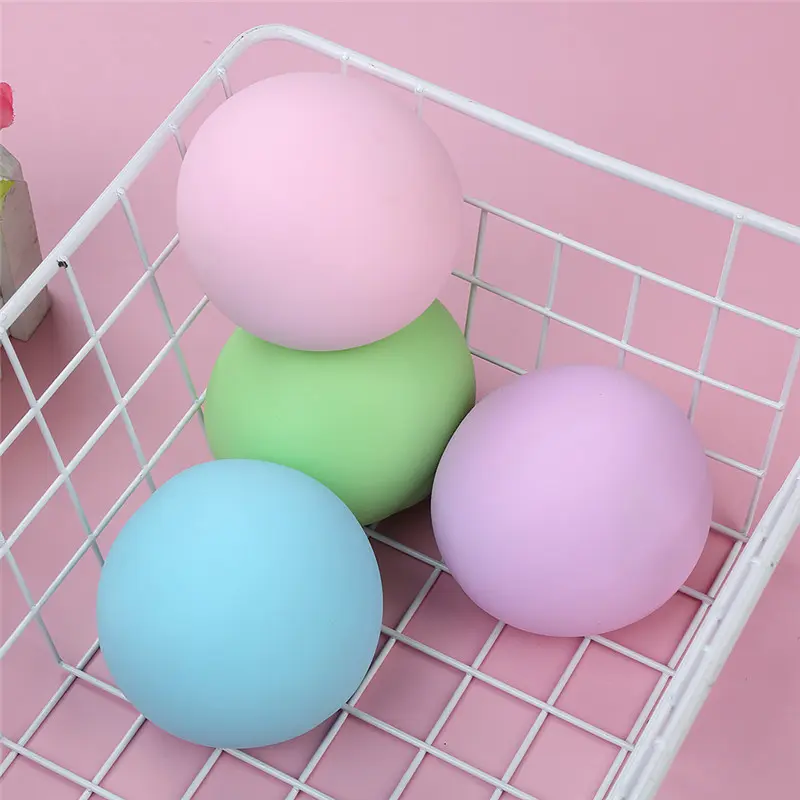
What Are OEM & ODM Stress Toys
You provide complete product design, specifications, molds and standards; the manufacturer only produces according to your requirements and applies your brand logo. The intellectual property belongs to you.
The manufacturer provides integrated services from product design, material selection, development to mass production. You can select existing designs or make minor adjustments, then brand them as your own. The design IP usually belongs to the factory unless you sign an exclusive buyout agreement.
Core Differences Between OEM & ODM
| Item | OEM Stress Toys | ODM Stress Toys |
|---|---|---|
| Design Responsibility | Brand owner provides full design | Factory completes design & development |
| Intellectual Property | Belongs to brand owner | Belongs to factory (unless bought out) |
| Development Cycle | Longer (design, mold, testing) | Shorter (use existing designs) |
| Upfront Cost | Higher (mold, R&D, testing) | Lower (shared design cost) |
| Product Uniqueness | High, fully customized | Medium to high (depends on exclusivity) |
| Suitable For | Mature brands with fixed designs | New brands, quick launches, small-batch tests |
Pros & Cons of OEM Stress Toys
Pros
- Full control over appearance, material, function and packaging
- Strong brand differentiation, not easy to copy
- Clear IP ownership, better for long-term brand building
- Stable quality based on fixed standards
- Ideal for branded series, limited editions and IP cooperations
Cons
- High upfront investment in molds, design and testing
- Long development cycle, slow to market
- High MOQ requirements
- Requires professional design and technical team
Pros & Cons of ODM Stress Toys
Pros
- Fast launch, short time-to-market
- Low upfront cost, no design or mold fees
- Flexible MOQ, suitable for small-batch trials
- Professional factory design, in line with market trends
- One-stop service, easy for new brands to start
Cons
- Limited uniqueness, similar designs may exist in market
- IP belongs to factory, no exclusive right without buyout
- Less control over details and materials
- Not ideal for highly customized brand concepts
Which One Fits Your Brand Best
Choose OEM If
- You have mature, fixed product designs
- You need strong brand differentiation and exclusive IP
- You pursue high customization (shape, material, filling, logo, packaging)
- You have sufficient budget and long-term product planning
- You target high-end markets or official IP cooperation
Choose ODM If
- You are a new brand with limited design capacity
- You want to test market response quickly
- You need flexible, small-batch orders
- You prioritize cost efficiency and fast delivery
- You focus on classic, best-selling stress to styles
Key Factors to Choose a Reliable Manufacturer
-
Quality & Safety Certifications
Ensure compliance with EN71, CE, CPSIA, CPC, BSCI and other international standards to meet global market requirements.
-
Material & Craft Control
Safe, non-toxic, elastic and durable materials; stable production process and strict quality inspection.
-
Design & R&D Capability
Professional design team, rich experience in stress toys, ability to realize creative concepts.
-
Flexible Service Mode
Support both OEM and ODM, customizable to different order needs.
-
Sustainability Practice
Eco-friendly materials and production process to meet green procurement demands.
FAQs
1. Is OEM more expensive than ODM?
2. How long is the lead time for OEM vs ODM?
OEM: 30–60 days or longer (design, mold, sampling, production).
3. Can I modify ODM designs?
4. How to protect my design in OEM?
5. Are stress toys suitable for all ages?
Conclusion
Post time: Apr-22-2026