How to Import Stress Toys from China Step by Step
Stress toys, including squeeze toys, stress balls, puffer balls and stretch fidget toys, have become enduring bestsellers across global retail, gift and novelty markets. Thanks to mature manufacturing chains, diverse product designs and strict quality management, Chinese manufacturers are the top choice for buyers looking to source cost-effective, varied stress toys. Whether you are a new small-scale retailer, a bulk wholesaler or a brand buyer expanding product lines, this step-by-step guide will walk you through the entire import process, help you avoid common pitfalls, and build a stable and profitable supply chain for stress toys.
1. Conduct Market Research & Finalize Product Requirements
Before contacting suppliers, clarify your market positioning and product standards. This foundational step prevents mismatched orders and unnecessary losses later on.
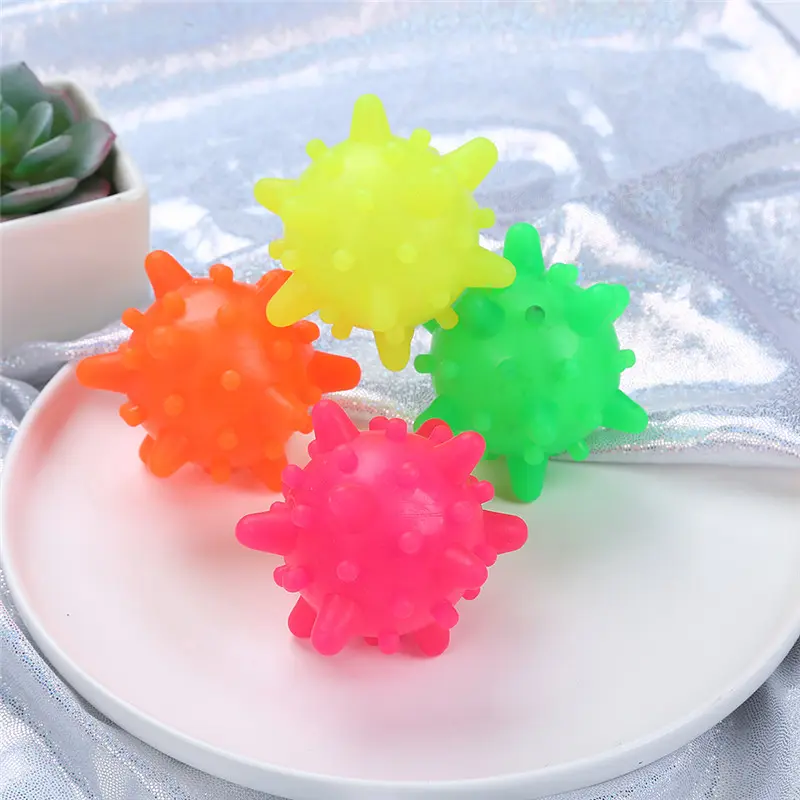
First, analyze local market demand. Figure out which types of stress toys sell well in your region. Popular categories cover animal-shaped squeeze toys (whale, dolphin, shark, cat), geometric stress balls, giant stress balls, puff balls and special items like stress meteor hammers. You also need to confirm preferred sizes, colors, surface crafts (spray paint, plain color) and filling materials. Common fillings include PVA, starch, beads, pectin, sand and water, while some products are equipped with LED lights for extra appeal.
Next, sort out mandatory product specifications. Define target user groups, as stress toys for kids and adults follow different safety rules. Set clear requirements for product durability, stretch performance and softness. Meanwhile, calculate your budget, expected order quantity and sales price range to lock in a reasonable cost ceiling.
Finally, verify local import regulations and safety certifications. Stress toys fall under toy categories, and nearly all regions enforce strict safety standards. For European markets, products need to pass EN71 and obtain CE marks; North American markets require CPSIA and CPC certifications. Some electronic stress toys with LED lights have additional testing rules. Confirm all certification requirements in advance, and make sure your future suppliers can provide complete qualified documents.
2. Source and Vet Reliable Manufacturers
China hosts a large number of professional stress toy factories, mainly concentrated in Zhejiang, Guangdong and other toy manufacturing hubs. Sourcing and screening trustworthy suppliers is the core of stable procurement.
Choose Sourcing Channels
You can pick channels based on your order scale and time schedule. Online B2B platforms are the most convenient option, where you can browse thousands of toy manufacturers, compare product styles, prices and minimum order quantities. If you want face-to-face communication and on-site factory visits, attend well-known toy trade fairs, where you can directly negotiate with factory representatives and check physical products. For buyers pursuing long-term cooperation and customized products, on-site factory visits are highly recommended.
Key Points for Supplier Verification
Focus on these core qualifications when evaluating suppliers. First, check factory operating years, production scale and staff size. Factories with over 20 years of production experience usually have stable technology and mature quality control systems. Second, confirm product certification credentials. Ask suppliers to provide EN71, CE, CPSIA, CPC, BSCI and other official test reports and certificates, and avoid cooperating with manufacturers without complete qualifications. Third, inspect customization capabilities. If you need exclusive designs, personalized logos or special filling materials, confirm whether the factory supports OEM and ODM services, as well as the customization cycle and extra costs. Fourth, evaluate raw material standards. Prioritize factories that use eco-friendly raw materials, which not only meet global environmental requirements but also expand your market scope.
After preliminary screening, shortlist 3 to 5 qualified suppliers for follow-up sample testing and price negotiation.
3. Request, Test and Confirm Samples
Never place bulk orders before confirming samples. Samples are the direct standard for judging product quality, craftsmanship and compliance.
Send detailed product requirements to selected suppliers, including product style, size, filling material, color, packaging and customization needs. Clearly state the testing standards your local market requires. Most factories provide free samples, and you only need to bear the international courier fee.
After receiving samples, conduct comprehensive testing. Check the appearance for cracks, uneven paint and burrs; test the stretching and squeezing performance to see if products easily break or leak filling materials; inspect the safety of materials, especially for products for children. If the samples fail to meet standards, put forward modification suggestions to the supplier until the finished samples fully match your requirements.
Once the final sample is confirmed, keep it properly. This “golden sample” will be the unified inspection standard for subsequent bulk goods, to prevent the factory from cutting corners during mass production.
4. Negotiate Terms & Sign Formal Order Contracts
After sample confirmation, start formal business negotiation, covering price, minimum order quantity, payment terms, production cycle, delivery time and after-sales rules. All agreed content must be written into a formal contract to protect both parties’ rights.
Core Negotiation Content
- Price and MOQ: Unit prices are usually linked to order quantity. Larger orders get more favorable quotations. Confirm the minimum order quantity of each product, unit price, unit weight and volume, so as to calculate the total cost and shipping fees in the later stage.
- Production Cycle: Confirm the start time of production, daily output and overall delivery cycle. For seasonal hot-selling products, reserve sufficient buffer time to avoid missing sales windows.
- Payment Methods: The mainstream cooperation mode is deposit plus balance payment. Generally, pay 30% deposit first for the factory to start production, and pay the remaining 70% balance before shipment. Formal bank wire transfer is the safest way. Try to avoid transferring funds to personal accounts to reduce risks. Small orders can choose platform escrow services with buyer protection.
- Packaging Requirements: Clarify inner packaging (opp bags, color boxes) and outer carton specifications, printing content, carton size and load-bearing capacity, to prevent product damage during long-distance transportation.
Sign a Formal Contract
Use a written purchase contract or proforma invoice. The document must mark product name, quantity, unit price, total amount, sample standards, certification requirements, delivery address, liability for delayed delivery and quality problems. Ensure all information is consistent with the negotiated content, and both parties sign and seal the document before taking effect.
5. Track Production & Conduct Pre-Shipment Quality Inspection
After paying the deposit, the factory will arrange mass production. Do not leave production completely unattended. Real-time tracking and staged quality inspection can effectively avoid large-scale defective products.
During the production period, keep regular communication with suppliers to learn about production progress. For large orders, you can arrange mid-production inspection to check semi-finished product quality, production technology and material usage, and correct problems early.
When production is nearly completed, carry out a strict pre-shipment inspection, which is the last line of defense before goods leave the factory. You can conduct the inspection yourself, entrust a third-party professional inspection agency, or ask a local agent for help. The inspection items include: total quantity of goods, whether product appearance and performance are consistent with the confirmed sample, whether packaging is intact and in line with requirements, and whether carton labeling is standard.
If a large number of defective products are found, require the factory to rework or replace goods immediately. Only after the inspection is fully qualified can you arrange to pay the final balance and confirm shipment.
6. Select Shipping Solutions & Arrange Logistics
Stress toys are light in weight and large in volume. You can choose a suitable shipping method according to order quantity, cost budget and delivery time requirements, and cooperate with a professional freight forwarder to handle logistics matters.
Common Shipping Methods
- Express Delivery: Suitable for small orders, sample orders or urgent replenishment. It features fast delivery, door-to-door service and simple procedures, but the unit freight is relatively high. The mainstream international express can deliver goods to most regions within 3 to 7 days.
- Air Freight: Ideal for medium-sized urgent orders. The speed is second only to express delivery, with stable timeliness, and the cost is lower than international express. It usually takes 7 to 15 days to arrive at the destination airport, and you need to arrange airport pickup and customs clearance by yourself or via a forwarder.
- Sea Freight: The first choice for large bulk orders. It has the lowest unit freight and is cost-effective for large-volume stress toys. The transportation cycle is longer, generally 25 to 40 days. It is recommended to arrange sea freight for conventional stock orders with no tight time limit.
Logistics Notes
Provide the freight forwarder with detailed product information, order quantity, total weight, total volume and delivery address. Meanwhile, sort out all customs clearance documents in advance, including commercial invoice, packing list, bill of lading and certificate of origin. Ensure that the product name, quantity and value on all documents are consistent, so as to avoid customs clearance delays.
Keep tracking the logistics trajectory after shipment, and grasp the real-time location of goods until they arrive at the destination port or address.
7. Complete Customs Clearance & Receive Goods
Customs clearance is a key link in import. Fully preparing documents and abiding by local customs rules can prevent detention, fines or goods seizure.
When goods arrive at the destination port, submit all customs clearance documents to the local customs department or entrust a customs broker to handle the formalities. Customs will classify goods according to the HS code of stress toys, assess tariffs and value-added taxes. Pay the corresponding taxes and fees within the specified time.
Customs may conduct random physical inspection of goods. Cooperate with the inspection work and provide product safety certificates and test reports as required. After the inspection passes and taxes are paid, customs will release the goods.
After picking up the goods, conduct a final re-inspection. Check whether the outer cartons are damaged, whether the total quantity is correct, and whether individual products have damage caused by transportation. For damaged goods, take photos to retain evidence and negotiate compensation or after-sales solutions with the supplier and freight forwarder in a timely manner.
8. Post-Shipment Summary & Establish Long-Term Cooperation
After successfully receiving and selling the goods, sort out the whole import process to optimize the procurement plan for the next order.
Calculate the comprehensive cost of this batch of goods, including product cost, sample fee, freight, tariff and labor cost, and analyze the actual profit margin. Summarize existing problems, such as unreasonable production cycle, defective product ratio or high logistics cost, and put forward improvement plans.
If the supplier’s product quality, delivery efficiency and after-sales service meet your expectations, establish long-term stable cooperative relations. Long-term partners can get more favorable prices, priority production rights and more convenient customized services. You can also put forward product update demands to the factory, launch new stress toy styles regularly, and keep your products competitive in the market.
Final Tips for Importing Stress Toys
- Always put product safety and certification first. Uncertified stress toys will be detained by customs and cannot be sold legally.
- Do not blindly pursue low prices. Excessively cheap products often have hidden dangers in materials and quality, which will affect your brand reputation.
- Reserve enough time for the whole process. Production, transportation and customs clearance all have uncertain factors. Avoid rush orders caused by tight schedules.
- Keep all contracts, test reports and logistics documents. These files can solve disputes smoothly when quality or logistics problems occur.
Importing stress toys from China is a mature and low-risk business. By following the standardized steps above, even novice buyers can complete the whole process efficiently, tap into the global stress toy market, and create stable business growth.
Post time: Jun-12-2026