How to Import Stress Toys from China Step by Step
Stress toys—squishies, fidget spinners, pop tubes, foam balls, and silicone squeeze toys—have become a global phenomenon. Whether you’re a retailer looking to stock your shelves, an e-commerce seller expanding your product line, or a business owner sourcing promotional items, China remains the world’s dominant supplier of these tactile stress-relief products. China produces over 70% of all toys sold globally, with specialized manufacturing hubs dedicated to foam, silicone, and TPR-based stress toys.
But importing from China isn’t as simple as placing an order and waiting for a package. Navigating supplier selection, safety compliance, shipping logistics, and customs clearance requires careful planning. This step-by-step guide walks you through the entire process—from product research to delivery—so you can import stress toys confidently and efficiently.
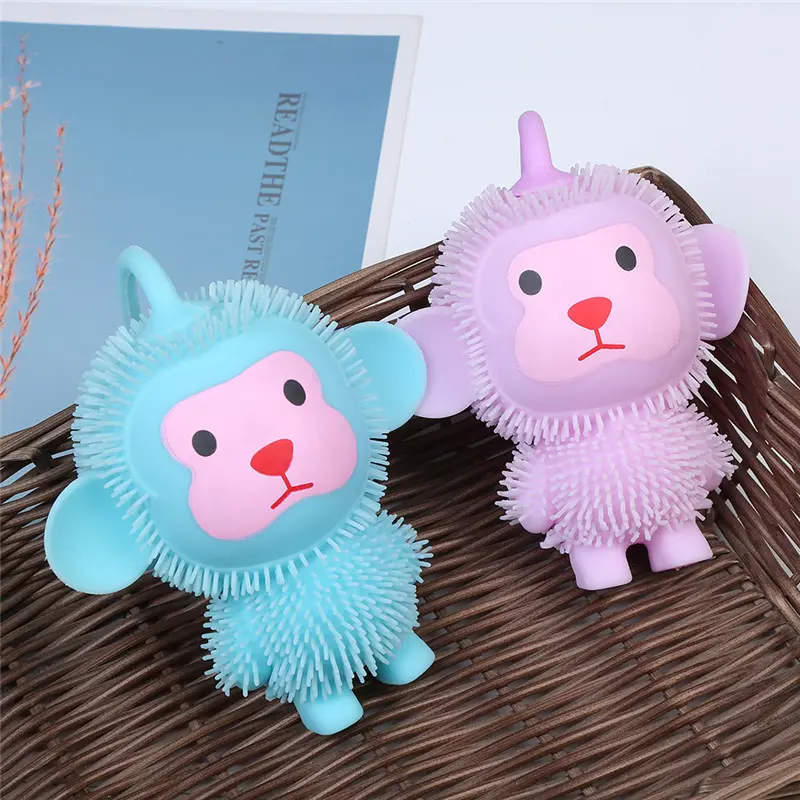
Step 1: Research Your Market and Define Your Product
Before contacting any supplier, you need clarity on what you’re selling and who you’re selling to.
Identify your target market. Different countries have different safety standards and consumer preferences. Are you selling in the United States, the European Union, the UK, Australia, or elsewhere? This decision will determine which certifications your products must carry.
Define your product specifications. Stress toys come in countless varieties: PU foam balls, TPR squeeze toys, silicone fidgets, water bead-filled squishies, and more. Consider:
- Material (PU foam, TPR, silicone, rubber)
- Size and weight
- Color options (custom or standard)
- Packaging requirements
- Branding needs (logo printing, custom labels)
Research trends and demand. Look at what’s selling well in your market. Check Amazon bestseller lists, social media trends, and competitor offerings. Niches with strong demand but lower competition often offer the best opportunities.
Know your budget and order quantity. Most stress toy manufacturers set minimum order quantities (MOQs) starting around 1,000 pieces. Some suppliers offer lower MOQs for standard products, while custom designs typically require higher volumes.
Step 2: Find Reliable Suppliers in China
With your product defined, it’s time to find manufacturing partners. China has several concentrated toy manufacturing regions, each with its own specialties:
| Region | Specialization |
|---|---|
| Guangdong Province (Shenzhen, Dongguan, Guangzhou) | Advanced manufacturing, electronics integration, rapid prototyping |
| Chenghai District, Shantou | Plastic toys, injection molding, large-scale production |
| Zhejiang Province (Yiwu, Ningbo) | Small-item production, squeeze toys, novelty items, plush figures |
Yiwu, in particular, is renowned for high-volume production of squeeze toys, novelty items, and compact stress-relief gadgets.
Where to find suppliers:
- Alibaba.com – The largest B2B platform with extensive supplier listings, trade assurance, and customer reviews
- Global Sources – Known for rigorous supplier verification
- Made-in-China.com – Another major B2B marketplace
- Trade shows – Canton Fair (Guangzhou), Hong Kong Toys & Games Fair, and Yiwu Fair allow face-to-face meetings and product sampling
How to vet suppliers:
- Look for verified badges like Gold Supplier on Alibaba
- Check years in operation and transaction history
- Request business licenses and export permits
- Ask for third-party audit reports from agencies like SGS, TÜV, or Intertek
- Conduct video calls or virtual factory tours before committing
- Search the supplier’s name + “工厂” (factory) on Baidu or 1688 to verify they’re a manufacturer, not just a trading company
Step 3: Request Samples and Test Quality
Never place a large order without seeing the product first.
Order samples from your shortlisted suppliers. This is your opportunity to assess:
- Material quality and durability
- Color accuracy
- Packaging quality
- Overall workmanship
Test the samples yourself. Squeeze them repeatedly. Check for any unpleasant odors (common with low-quality foam or rubber). Verify that custom logos or colors match your specifications.
Request certification documents along with your samples. Reputable suppliers should be able to provide test reports from accredited labs. If they can’t, you’ll need to arrange third-party testing yourself—which adds time and cost.
Compare multiple suppliers. Don’t settle for the first quote you receive. Order samples from 2–3 different suppliers to compare quality, pricing, and communication.
Step 4: Understand Safety Regulations and Certifications
Toys are among the most heavily regulated consumer goods. Stress toys, even though they’re often marketed to adults, must still meet safety standards in most markets.
Common certifications by market:
| Market | Required Certification | Key Standards |
|---|---|---|
| United States | CPC, CPSIA compliance | ASTM F963, lead/phthalates testing |
| European Union | CE Marking | EN71 (mechanical, flammability, chemical properties) |
| UK | UKCA Marking (GB) / CE (Northern Ireland) | EN71 standards |
| Canada | Health Canada Compliance | Surface coating limits, small parts regulations |
Key standards for stress toys specifically:
- EN71 – European safety standard covering physical properties, flammability, and chemical composition
- ASTM F963 – U.S. toy safety standard
- CPSIA – U.S. Consumer Product Safety Improvement Act (lead and phthalate limits)
- REACH – EU regulation on chemical substances
- Prop 65 – California’s chemical warning requirement
Additional certifications to look for:
- ISO 9001 – Quality management systems
- BSCI – Ethical labor practices
- ICTI CARE – International toy industry ethical standards
Make sure your supplier can provide valid, up-to-date test reports from accredited labs. If they can’t, factor in the cost and time for third-party testing before your shipment can clear customs.
Step 5: Negotiate Terms and Place Your Order
Once you’ve selected a supplier and approved samples, it’s time to finalize the deal.
Key terms to negotiate:
- Price per unit – Based on order quantity
- MOQ – Minimum order quantity
- Payment terms – Typically 30% deposit upfront, 70% balance before shipment (T/T). Some suppliers accept PayPal or Letter of Credit
- Lead time – Production typically takes 15–30 days after sample approval
- Customization details – Logo printing, color matching, packaging design
- Incoterms – Who pays for shipping, insurance, and customs clearance (e.g., FOB, CIF, EXW)
Get everything in writing. A formal purchase order should include product specifications, quantity, unit price, total value, delivery date, shipping terms, and payment schedule.
Protect your intellectual property. If you’re developing custom designs, consider signing a non-disclosure agreement (NDA) and registering trademarks in your target markets.
Step 6: Arrange Shipping and Logistics
With your order in production, it’s time to plan the logistics.
Choose your shipping method:
| Method | Transit Time | Best For | Cost |
|---|---|---|---|
| Sea Freight (FCL/LCL) | 20–40 days | Bulk shipments, large orders | Lowest |
| Air Freight | 7–12 days | Medium orders, time-sensitive | Medium |
| Express (DHL, FedEx) | 3–7 days | Small parcels, samples | Highest |
Most stress toy importers choose sea freight for cost efficiency. If you’re shipping a full container load (FCL), you’ll have exclusive use of a container. For smaller quantities, less-than-container-load (LCL) shipping combines your goods with others.
Major Chinese export ports: Shanghai, Shenzhen, Ningbo, and Guangzhou are the primary departure points for toy exports.
Work with a freight forwarder. A freight forwarder manages the shipping process, handles documentation, and can often secure better shipping rates than you could on your own. They’ll also help with customs clearance at your destination.
Step 7: Prepare for Customs Clearance
Proper documentation is essential for smooth customs clearance.
Key documents you’ll need:
- Commercial invoice – Details of the transaction, including buyer/seller, product description, quantity, and value
- Packing list – Itemized list of contents by package
- Bill of lading – Transport document issued by the carrier
- Certificate of origin – Proves where the goods were manufactured
- Product safety certificates – Test reports and compliance documents
- Import license (if required by your country)
HS code classification. Toys typically fall under Chapter 95 of the Harmonized System (HS) code. For stress toys, common codes include 9503.00 (various toy categories). Accurate classification is critical to avoid delays and ensure correct duty rates.
Duties and taxes. Be prepared to pay:
- Import duties – Vary by country and product category (typically 0–5% for toys in many markets)
- VAT or sales tax – Applied at your country’s standard rate
- Customs broker fees – If you use a broker to handle clearance
Work with a customs broker. Unless you’re experienced with customs procedures, hiring a broker is money well spent. They’ll ensure your documentation is correct and your goods clear customs without unnecessary delays.
Step 8: Receive, Inspect, and Distribute
Once your shipment arrives, the work isn’t over.
Inspect your goods immediately. Check that the quantity matches your order and that products meet the quality standards you approved in the sample stage. If there are discrepancies, document them with photos and contact your supplier right away.
Consider pre-shipment inspection. Many importers hire third-party inspection companies (like SGS or Intertek) to inspect goods at the factory before they’re shipped. This catches quality issues early and gives you leverage to demand corrections.
Plan your distribution. Depending on your business model, you might:
- Store inventory in your own warehouse
- Use a third-party logistics (3PL) provider
- Send products directly to Amazon FBA or other fulfillment centers
Common Challenges and How to Avoid Them
Quality inconsistencies. Even with samples approved, production batches can vary. Mitigate this by requiring pre-shipment inspections and building quality clauses into your contract.
Shipping delays. Port congestion, weather, and customs holdups can disrupt timelines. Build buffer time into your schedule and consider working with a freight forwarder who can navigate these issues.
Compliance failures. If your products don’t meet safety standards, they could be seized at the border or recalled after sale—both costly scenarios. Always verify certifications before ordering and keep documentation organized.
Communication barriers. Time zone differences and language barriers can cause misunderstandings. Use clear, simple language in written communications and confirm critical details in writing.
Final Thoughts
Importing stress toys from China can be a profitable venture, but success depends on doing your homework at every stage. Start with clear product specifications, vet suppliers thoroughly, prioritize safety compliance, and plan your logistics carefully. The process takes time and attention to detail, but the payoff—access to high-quality products at competitive prices—makes it worthwhile for businesses of all sizes.
Remember: the cheapest supplier isn’t always the best. Reliability, communication, and compliance track record matter just as much as price. Build relationships with your suppliers, stay organized with your documentation, and don’t skip the sample stage. With the right approach, you’ll be well on your way to bringing stress-relief products to your customers with confidence.
Post time: Jun-22-2026