How to Avoid Low-Quality Stress Balls When Importing
For global importers and distributors, stress balls are popular, cost-effective, and fast-moving promotional & retail products. However, low-quality stress balls can lead to customer complaints, returns, safety non-compliance, and damage to your brand reputation. This guide shares practical, buyer-focused methods to help you import safe, durable, and high-quality stress balls consistently.
Table of Contents
- Why Quality Control Matters for Stress Ball Imports
- Common Quality Issues in Low-Grade Stress Balls
- Key Inspection Criteria for High-Quality Stress Balls
- How to Vet Suppliers Before Placing Orders
- Pre-Shipment Inspection Checklist for Importers
- Certification & Safety Standards You Must Verify
- Final Tips to Secure Stable Quality Long-Term
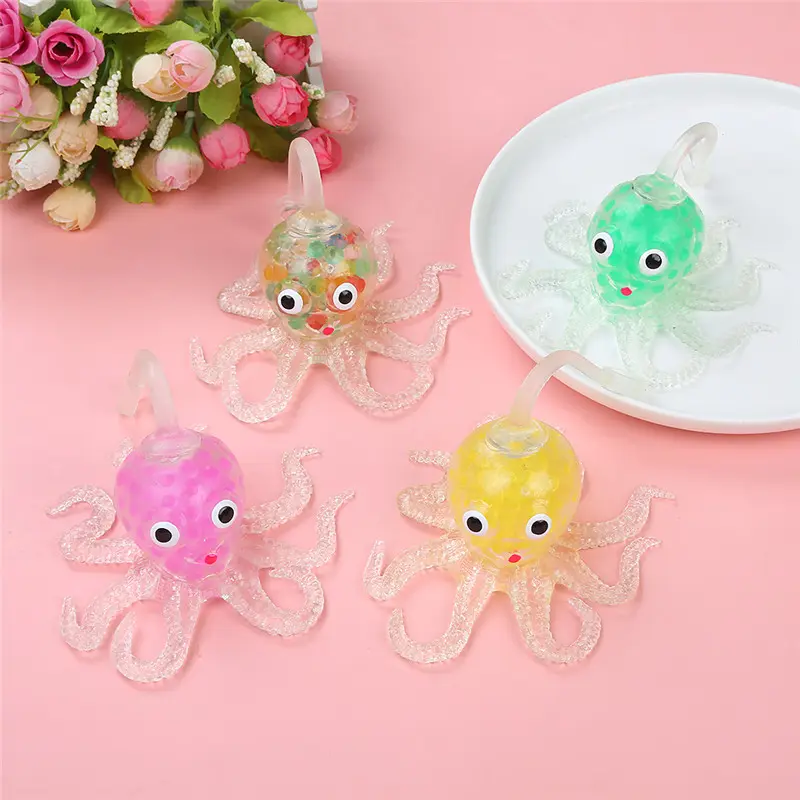
1. Why Quality Control Matters for Stress Ball Imports
Stress balls are used daily by adults, students, and even children in many markets. Poor quality creates serious risks:
- Chemical hazards from unsafe materials
- Easy to break, leak filling, or deform permanently
- Foul smell, sticky surface, or color fading
- Failure to meet EU, US, or other regional safety standards
- High return rates, negative reviews, and lost customer trust
Quality is not an option—it is a basic requirement for sustainable imports.
2. Common Quality Issues in Low-Grade Stress Balls
Knowing typical defects helps you identify risks early:
- Toxic or irritating smell: Indicates unsafe chemicals or low-grade raw materials.
- Sticky or greasy surface: Poor formula or insufficient curing.
- Weak shell: Tears or breaks under light squeezing.
- Filling leakage: Seams not sealed properly.
- Permanent deformation: Does not return to shape after squeezing.
- Color transfer or fading: Dyes do not meet fastness standards.
- Small parts risk: Loose accessories that may cause choking hazards.
3. Key Inspection Criteria for High-Quality Stress Balls
Use these objective standards to judge quality before bulk production.
Material & Touch
- Surface: smooth, non-sticky, no greasy feeling
- Elasticity: rebounds quickly without distortion
- Odor: mild or no smell; reject strong chemical odors
Structure & Durability
- Seam: tight, uniform, no gaps or weak bonding
- Shell thickness: consistent, not too thin
- Repeated squeeze test: passes 50+ squeezes without damage
Filling Safety
- Clean, non-toxic, non-leaking filling
- No sharp particles inside
- Suitable for your market’s regulations
Appearance & Printing
- Color consistent with sample
- Logo/printing clear, non-fading, non-staining
- No bubbles, scratches, or deformities
4. How to Vet Suppliers Before Placing Orders
A reliable supplier is your first line of defense against bad quality.
Check Production Experience
- Years of focus on stress balls / squeeze toys
- Export history to your target market (EU, US, etc.)
- Ability to provide real client references
Review Quality System
- Incoming material inspection
- Production line checks
- Finished goods testing
- Documentation control
Request Official Samples
- Always order pre-production samples
- Compare smell, elasticity, durability, and printing
- Keep sealed samples for bulk order comparison
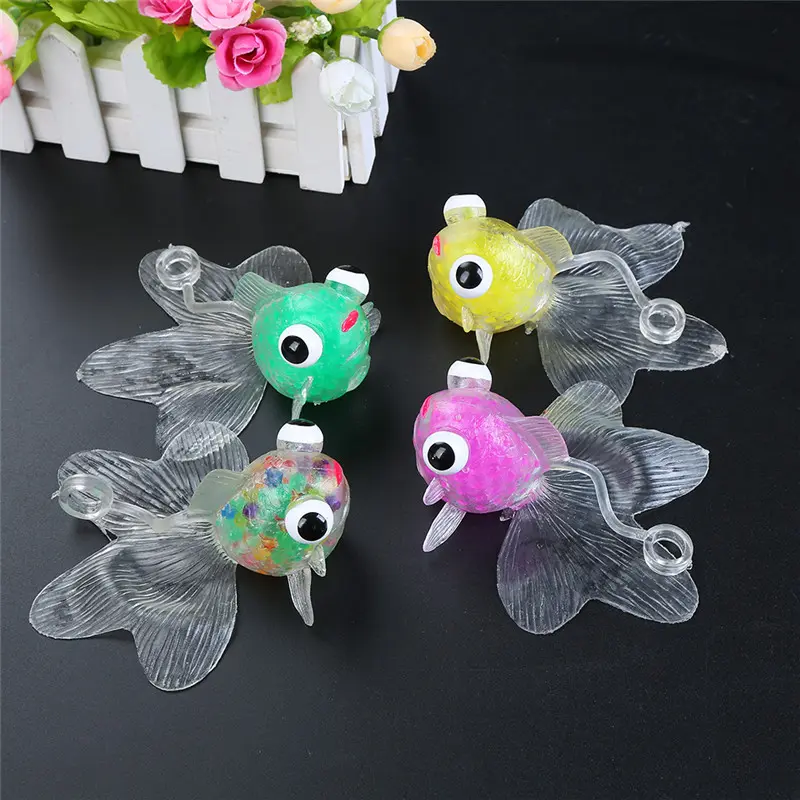
5. Pre-Shipment Inspection Checklist for Importers
Use this checklist before loading containers to avoid losses.
| Inspection Item | Standard Requirement | Pass/Fail |
|---|---|---|
| Odor & Surface | No strong chemical smell; non-sticky | |
| Elasticity & Rebound | Quickly returns to original shape | |
| Seam & Strength | No breakage or leakage after squeezing | |
| Printing & Color | Consistent with approved sample | |
| Size & Weight | Within tolerance range | |
| Packaging & Labeling | Complete, clear, safe for transport |
If any item fails, require rework or hold shipment until corrected.
6. Certification & Safety Standards You Must Verify
Different regions enforce different safety rules. Confirm these certificates:
European Market
- CE
- EN71-1, EN71-2, EN71-3
- REACH compliant
- For toys: proper age warning & labeling
US Market
- CPSIA
- CPC Children’s Product Certificate
- ASTM F963
- Phthalate limits compliant
General Global Standards
- Non-toxic materials
- No heavy metals over limits
- No harmful phthalates
- Safe for skin contact
7. Final Tips to Secure Stable Quality Long-Term
- Build long-term partnerships instead of chasing lowest price
- Use sealed samples for every order
- Insist on third-party test reports for bulk orders
- Clarify quality terms in your purchase contract
- Start with small trial orders before large commitments
Conclusion
Importing high-quality stress balls does not have to be complicated. By focusing on material safety, structural durability, supplier reliability, and pre-shipment inspection, you can greatly reduce risks and maintain satisfied customers. Quality control protects your profit, your reputation, and your long-term business success.
Post time: May-20-2026