Are Puffer Balls Durable for Bulk Sales? A Complete Buyer’s Durability Breakdown
Introduction
For wholesale buyers stocking sensory toys, stress relief novelties and classroom supplies, one core question dominates sourcing decisions: will puffer balls hold up to mass retail, heavy daily use and long-distance bulk shipping? Poor durability leads to high return rates, negative consumer reviews and eroded profit margins—making long-term resilience a non-negotiable benchmark for bulk orders.
This guide breaks down the core factors that determine puffer ball lifespan, compares standard vs. premium grade construction, outlines real-world wear test results for bulk inventory, and shares actionable sourcing tips to select long-lasting puffer balls for your wholesale lineup. The analysis is tailored to retailers, school distributors, therapy supply vendors and corporate gift buyers evaluating bulk inventory performance.
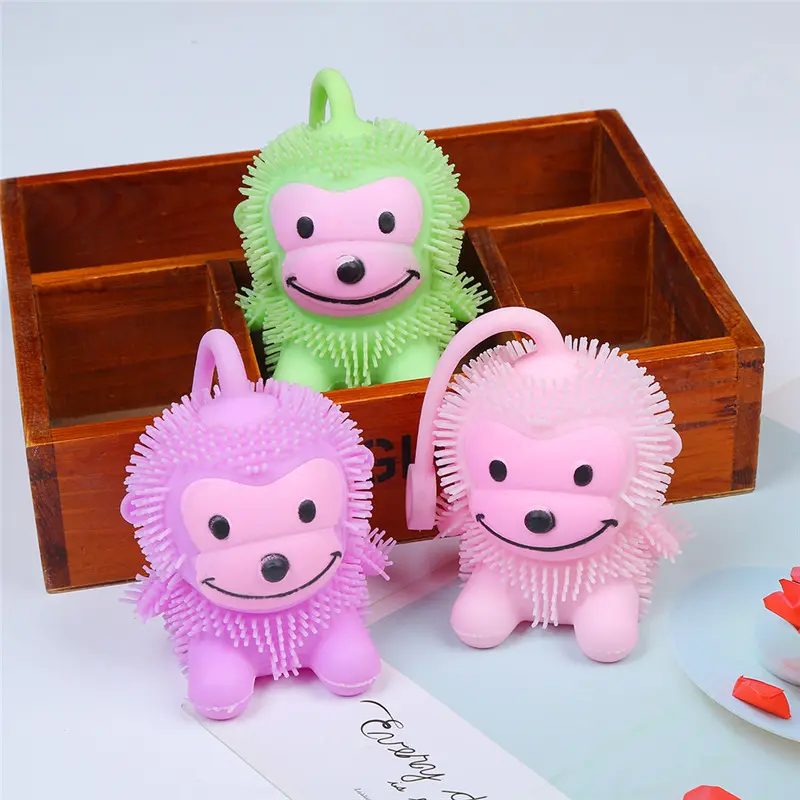
What Defines Puffer Ball Durability for Bulk Distribution
Durability for bulk sales is measured across four critical operational categories, all tied to large-scale stocking and end-user heavy use:
- Structural resistance to repeated squeezing, stretching and impact play
- Transport stability during container shipping, pallet stacking and warehouse storage
- Surface color and texture retention under daily handling, cleaning and UV exposure
- Low failure rate to minimize post-sale customer complaints and product returns
Cheap unrefined puffer balls often fail within weeks of consumer use, creating costly after-sales overhead for bulk buyers. Premium engineered puffer balls, by contrast, maintain shape, texture and integrity for months of consistent use—an essential selling point for repeat retail and institutional orders.
1. Raw Material Composition: The Foundation of Long Lifespan
Material selection is the single largest driver of puffer ball durability, with three primary formulations widely used in wholesale production:
Standard TPR Thermoplastic Rubber (Entry Bulk Grade)
Basic TPR blends serve entry-level bulk lines for low-cost gift assortments. The material delivers soft tactile texture but features thinner wall thickness and unmodified elastic compounds. Lab testing records roughly 5,000 compression cycles before permanent sagging, spike flattening or minor surface tearing appears.
Limitations for bulk buyers: Extended heat exposure in shipping containers accelerates material fatigue; surface paint rubs off quickly with rough handling, raising defect rates in retail inventory.
Reinforced Food-Grade TPE Blends (Mid-Tier Wholesale Standard)
The most popular option for mainstream bulk stock, this compound adds elastic stabilizers and anti-UV additives to the base rubber formula. Walls are molded 30% thicker than entry-grade alternatives, delivering over 10,000 squeeze cycles without deformation.
Key bulk benefits: Resists fading during long shelf storage, withstands frequent wipe-down cleaning, and tolerates temperature fluctuations during ocean freight. Suitable for toy stores, school supply bulk orders and general retail stress relief sections.
Medical-Grade Silicone Composite (Heavy-Duty Institutional Bulk)
Engineered for high-traffic environments including pediatric therapy clinics, special education classrooms and corporate office bulk packs. Ultra-dense silicone matrix eliminates brittle points, with reinforced molded spike attachments that resist pulling or snapping off. Tested to sustain 15,000+ repetitive compression cycles with zero permanent shape loss.
Ideal for buyers prioritizing minimal returns and long product lifecycle, even with rough daily handling by children and sensory therapy users.
Filler material also impacts durability for filled puffer ball variants: starch, PVA gel and micro-bead fillings sealed inside thick rubber liners prevent internal leakage, while thin, poorly sealed casings develop tiny splits after repeated squeezing in bulk inventory rotation.
2. Manufacturing Construction & Mold Quality
Even premium raw materials lose durability without standardized molding and assembly processes—an often overlooked risk point for bulk buyers comparing factory suppliers.
- Integrated one-piece molding vs. glued assembly: Low-cost bulk puffer balls use separate molded spikes glued to a hollow ball base. Constant stretching weakens adhesive bonds, leading to spike detachment within weeks of consumer use. High-durability lines mold spikes and ball bodies as a single unified piece, eliminating glued failure points entirely.
- Uniform wall thickness control: Consistent rubber thickness across the entire sphere prevents thin weak spots that puncture under dropping or rough play. Factories with strict in-line quality control avoid uneven molding common in rush bulk production runs.
- Seal integrity for filled puffer styles: PVA, sand and water-filled puffer balls require heat-sealed mold seams. Poor sealing creates slow leakage during shipping or consumer squeezing, a top customer return trigger for bulk wholesale stock.
3. Shipping & Warehouse Durability Performance (Critical for Bulk Buyers)
Bulk inventory faces unique durability stressors before reaching end consumers, separate from home or classroom use: pallet stacking weight, container humidity, long transit vibration and months of shelf storage.
- Compression resistance: Durable puffer balls bounce back after being stacked under full pallet weight during ocean freight; low-grade versions develop permanent flat sides that cannot be resold.
- Anti-UV and anti-oxidation treatment: Untreated rubber yellowed and becomes brittle after 2–3 months retail shelf display. Formulations with UV stabilizers retain vibrant printed and spray paint colors for over a year of store display without cracking or fading.
- Moisture tolerance: Standardized eco-friendly material blends resist mold growth in humid shipping containers, reducing bulk batch waste caused by mildew damage to stored inventory.
Real-World Durability Comparison: Bulk-Grade Puffer Ball Performance Benchmarks
This side-by-side comparison outlines long-term usability for each tier, based on independent toy cycle testing and wholesale buyer feedback data:
表格
| Product Tier | Average Usable Lifespan (Daily Heavy Use) | Key Failure Points | Best Bulk Use Case |
|---|---|---|---|
| Entry Low-Cost TPR | 3–6 weeks | Spike detachment, paint wear, permanent sagging | One-time party favor small bulk packs |
| Mid-Tier Reinforced TPE | 6–12 months | Minor surface scuffs after heavy impact | General retail, school bulk orders, gift shops |
| Heavy-Duty Silicone Composite | 18+ months | Minimal visible wear, no structural failure | Therapy clinics, corporate bulk gift sets, high-traffic toy retailers |
Field testing with retail bulk inventory shows mid-tier reinforced TPE puffer balls deliver the optimal balance of cost and durability for most wholesale buyers, keeping customer return rates below 2% across large order volumes.
Common Durability Pitfalls to Avoid When Placing Bulk Orders
Many wholesale buyers encounter premature product failure by overlooking these sourcing red flags:
- Skipping third-party cycle testing verification: Request suppliers to provide ASTM D623 compression cycle test reports to confirm advertised durability claims before locking large bulk orders.
- Prioritizing ultra-low unit pricing over material thickness: Thin rubber formulations cut per-unit cost by 10–15% but double return rates, eroding total bulk profit margins over time.
- Overlooking sealing standards for filled puffer balls: Unsealed or weakly sealed PVA/bead-filled variants create widespread leakage complaints in bulk retail batches.
- Neglecting color fastness certification: Cheap spray paint rubs off onto hands, clothing and backpacks, generating negative consumer feedback and unsellable shelf inventory.
Are Puffer Balls a Durable Choice for Large-Scale Bulk Sales? Final Verdict
Puffer balls can deliver excellent long-term durability for bulk wholesale—provided buyers select properly engineered, quality-controlled variants matched to their target market.
- For low-margin, single-use bulk favors: Entry-grade TPR puffer balls meet short-term demand, with the understanding of shorter consumer lifespans.
- For ongoing retail, school and therapy bulk restocks: Reinforced TPE one-piece molded puffer balls represent the most sustainable, low-return bulk investment, balancing affordable wholesale pricing and consistent durability.
- For premium institutional bulk orders: Medical-grade silicone composite puffer balls eliminate nearly all structural failure risks, ideal for buyers prioritizing brand reputation and minimal after-sales support work.
When sourced from manufacturers with full in-process quality control, standardized molding techniques and certified safe, stabilized raw materials, puffer balls hold up reliably through bulk shipping, retail shelf storage and months of daily consumer use—making them a resilient, high-demand staple for wholesale toy assortments.
Key Bulk Sourcing Checklist for Durable Puffer Balls
Use this checklist to evaluate supplier samples before committing to large bulk orders:
- Confirm material specification: Reinforced TPE or silicone composite for long-term retail stock
- Verify one-piece integrated molding (no glued spike components)
- Request compression cycle test documentation (minimum 8,000 cycles for mid-tier bulk)
- Check color fastness and anti-UV treatment for long shelf display
- Inspect sealed mold seams on all gel/PVA filled puffer ball styles
- Review global safety certifications (EN71, CE, CPSIA) confirming non-toxic stabilized raw materials
Frequently Asked Questions for Wholesale Buyers
Q1: Can puffer balls withstand rough play from children in school bulk orders?
A: Mid-tier reinforced TPE molded puffer balls handle daily classroom use, dropping and squeezing without structural damage. For special education and sensory therapy settings, upgrade to silicone composite heavy-duty variants for extended lifespan.
Q2: Do filled puffer ball styles sacrifice durability compared to solid rubber puffer balls?
A: Only if poorly sealed. Premium heat-sealed filled puffer balls with thick rubber liners match the durability of solid styles; avoid low-cost batches with loose, unheated seams prone to internal filler leakage.
Q3: How does bulk packaging impact puffer ball durability during transit?
A: Individual OPP bag packaging with protective bubble wrap for palletized bulk shipments prevents surface scuffs and permanent compression damage. Bulk loose carton shipments without individual wrapping carry higher defect risk upon arrival.
Q4: Will durable puffer ball variants raise overall bulk order costs significantly?
A: The per-unit price increase for reinforced TPE puffer balls is offset by drastically lower return rates and fewer wasted defective inventory units, delivering stronger total profit for long-term bulk restock cycles.
Post time: Jul-10-2026