Southeast Asian Toy Import Policies: Tariffs and Certification Requirements for Plastic Toys in Thailand and Vietnam
I. Core of Thailand’s Plastic Toy Import Policy
(I) Tariff Collection Standards
Thailand’s import tariffs on plastic toys are mainly based on HS codes (such as category 9503), with a basic tariff rate range of 10%-20%. The specific applicable tariff rate depends on the product’s function and material:
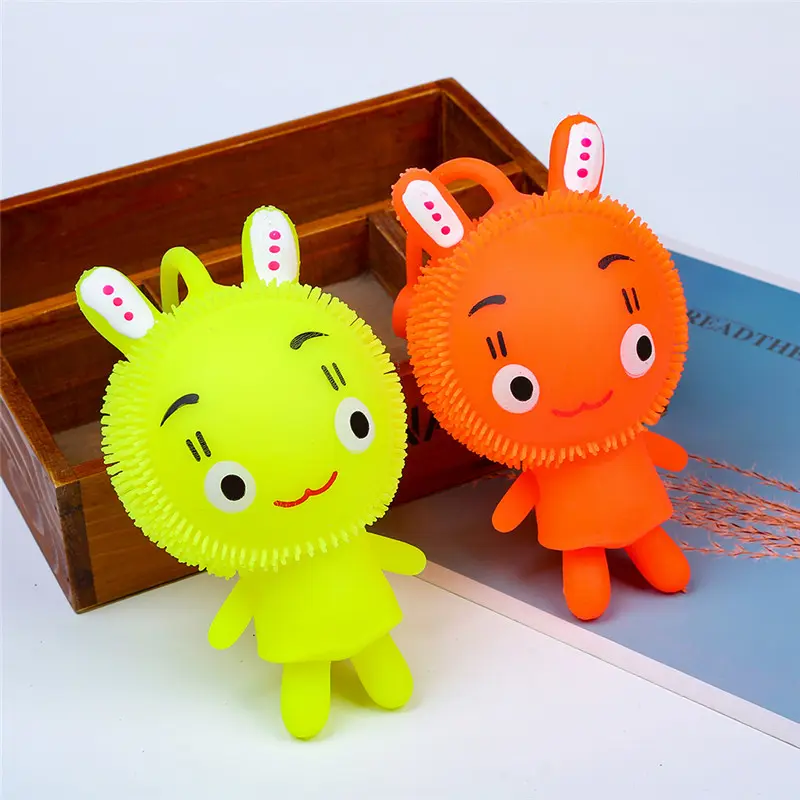
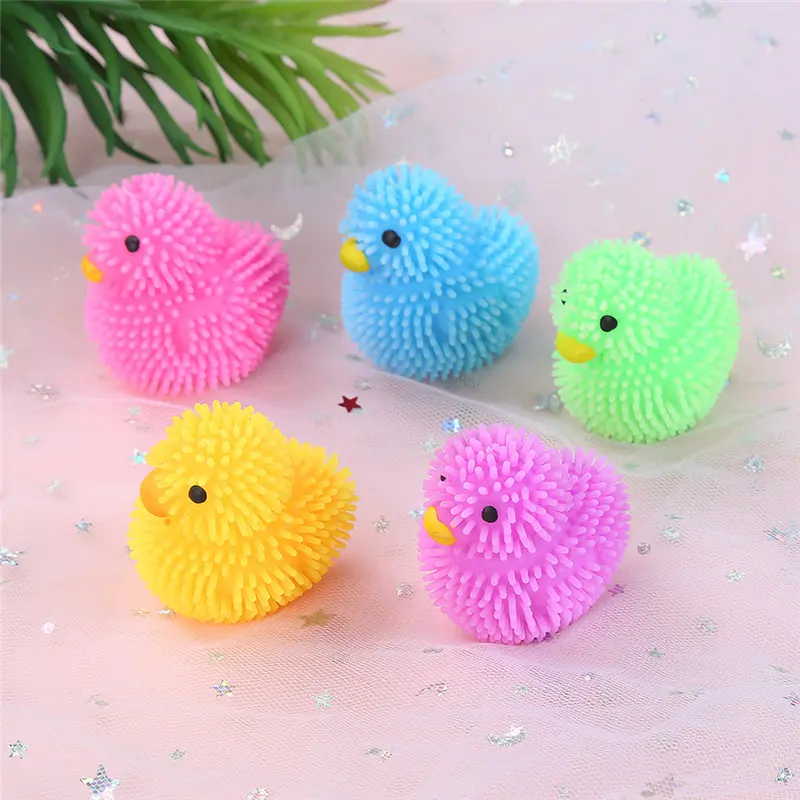
Ordinary plastic decompression toys and sand-filling toys: Applicable to the base tariff rate of 15%
Flashing toys with electronic components (including battery-powered): Due to the involvement of electrical components, the tariff rate is increased to 20%
Toys originating from ASEAN Free Trade Area (AFTA) member countries: A tariff reduction of 5%-10% is available upon presentation of a certificate of origin.
(II) Mandatory Certification System
TISI Certification (Thailand Industrial Standards Association Certification)
Scope of Application: All plastic toys entering the Thai market, especially electric toys such as flashing toys, are key categories in the mandatory certification catalog.
Core Testing Standards:
Physical Safety: Complies with TIS 685-2540 Part 1 Requirements: No sharp edges or risk of small parts falling off (toys for children under 3 years old must pass small parts testing). Electrical Safety: Flashing toys must meet electromagnetic compatibility (EMC) testing, and battery components must pass overheat/short circuit protection testing. Certification Process: Submit product manual, material list, and ISO 9001 certificate (if applicable) to TISI or an authorized agent. Send samples to a TISI-accredited laboratory for testing (cycle 3-6 weeks). Initial applications require passing a factory quality system audit (including production process and batch traceability record inspection). After certification, the product must bear the TISI mark in Thai. The certificate is valid for 3 years. Supplementary Requirements: Plastic parts that come into contact with children’s skin must additionally pass FDA approval. Certification, submission of component analysis reports and safety declarations
II. Core of Vietnam’s Plastic Toy Import Policy
(I) Tariff Collection Standards
Vietnam’s import tariffs on plastic toys are categorized and taxed, with the following base rates:
Plastic decompression toys and sand-filled toys: 12%
Electric plastic toys with flashing functions: 18%
Environmentally friendly plastic toys that comply with Vietnamese technical regulations: A 5% tariff preference can be applied for (an environmental material testing report is required).
(II) Mandatory Certification and Compliance Requirements
Core Certification System
CR Certification (Circular Regulation Certification): Covers all children’s plastic toys and requires passing dual tests for chemical substance restrictions and physical safety.
DECREE 74 Certification: Supplements regulations on electrical safety and labeling requirements for electric toys (such as flashing toys).
Key Testing Standards:
Chemical Substance Restriction (TCVN) 6238-6:2017): Lead ≤90mg/kg, Cadmium ≤75mg/kg, Mercury ≤60mg/kg, Hexavalent Chromium ≤0.2mg/kg; Phthalate (DEHP/DBP, etc., 6 types) total content ≤0.1% (key testing for soft plastic parts in decompression toys); Physical Safety Testing (TCVN 6238-1:2017): Sand-filled toys must pass tensile strength testing of components (to prevent sand leakage); Flashing toys’ battery compartments must pass anti-disassembly testing to prevent children from accidentally touching the electrodes; Electrical Safety: Flashing toys must comply with TCVN 11332 standard (equivalent to IEC 62115), with no risk of overheating or short circuit; Certification Process and Labeling: Submit samples to a Vietnamese accredited laboratory for testing → Review technical documents → Factory inspection (high-risk products) → Issuance of certification certificate (valid for 3 years); Product packaging must be labeled with Vietnamese warning labels, applicable age, and manufacturer information, and affixed with… “Technical Regulation Compliance Mark” Import customs clearance requires an additional DECREE 74 certification and import license.
III. Commonalities and Differences in Policies Between the Two Countries
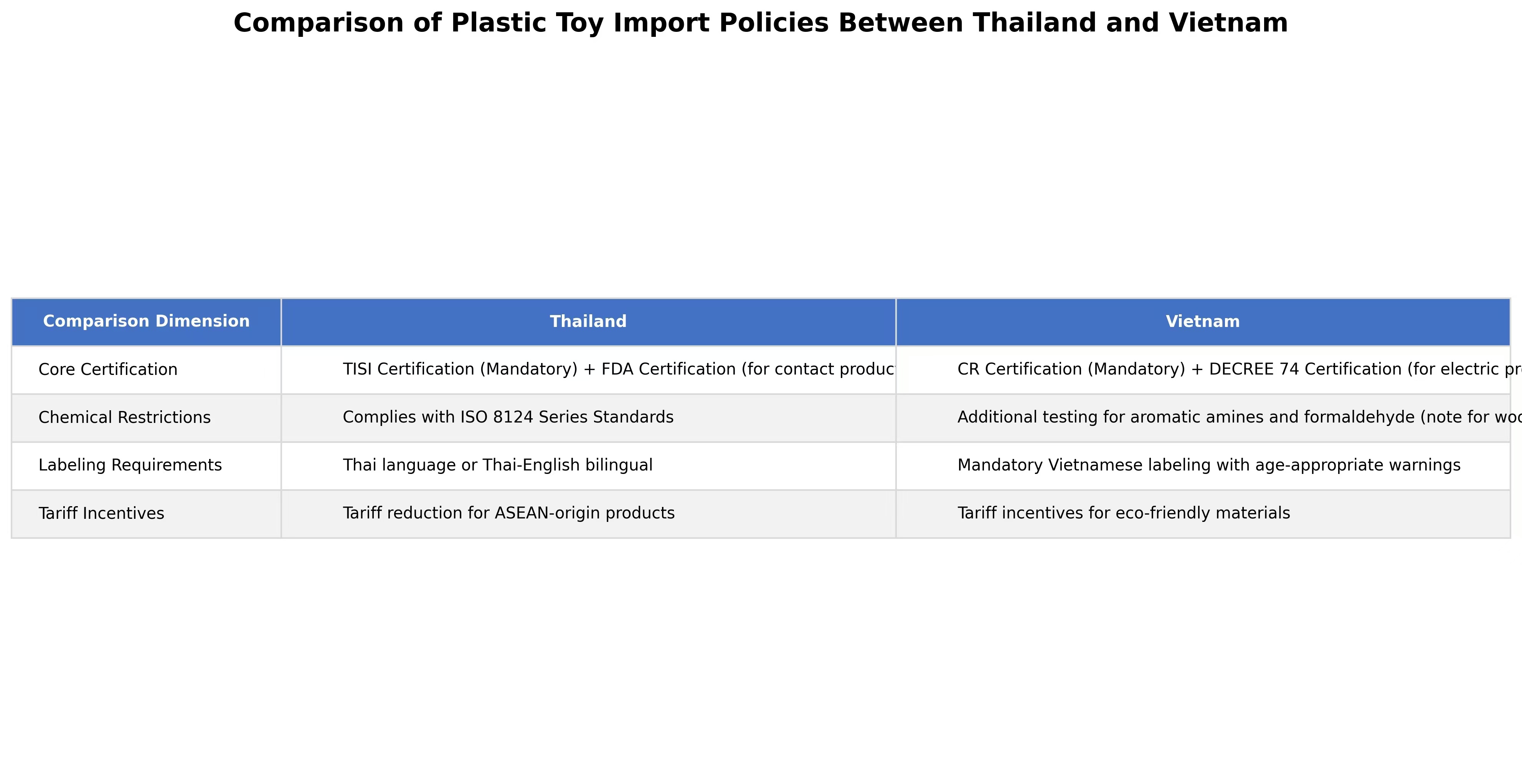
IV. Compliance Recommendations
Confirm the product’s HS code in advance to avoid tariff differences due to incorrect classification. Prioritize testing by laboratories accredited by ISO/IEC 17025 to ensure cross-border report mutual recognition. For flashing toys, pay special attention to electrical safety certification; for sand-filled toys, strengthen component sealing testing. Regularly monitor regulatory updates (such as Vietnam’s CR certification annual audit requirements and Thailand’s TISI certificate renewal).
Post time: Nov-28-2025