Silent Companions for Children with Autism: How Stress-Relieving Toys Protect Their Little World
Every child with autism harbors a unique and sensitive universe within. They may have an extreme sensitivity to sound and touch, or struggle to find an outlet when experiencing emotional fluctuations. Unfamiliar environments and subtle changes in daily life can become a “small weight” pressing on their hearts. But there is a kind of companionship that needs no words, yet can quietly soothe their anxiety through the touch of their fingertips and the gentle rebound of their toys—stress-relieving toys. These seemingly simple little objects are becoming the quietest and most reliable companions for children with autism.
I. A Gentle Bridge to the Sensory World
Children with autism often face the challenge of “sensory processing disorder”: some children are averse to rough materials, while others are fixated on certain tactile sensations for a sense of security; some avoid noisy environments, while others need to repetitive actions to calm their nerves. High-quality stress-relieving toys can serve as a gentle bridge connecting them to the outside world.
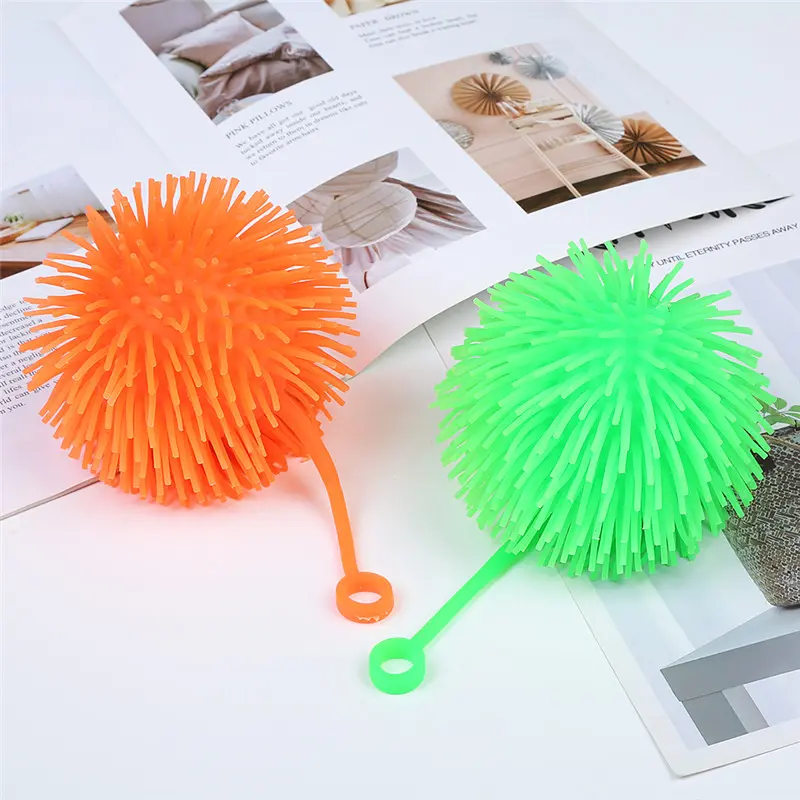
These toys are often made from carefully selected materials: smooth PVA, delicate starch filling, rounded beads, or soft inflatable fabric. Each tactile texture precisely responds to a child’s sensory needs. For children who enjoy pressing and kneading, the slowly rebounding pressure balls provide stable tactile feedback; the pressure from their fingertips interacts subtly with the toy’s rebound, allowing them to gain sensory satisfaction through repetitive actions. For children who need a “wrap-in” feeling, soft animal-shaped squeeze toys simulate a warm hug, and their delicate texture alleviates their wariness of unfamiliar environments.
More importantly, these toys are not overly stimulating—they have no sharp edges, no pungent odors, and soft, non-glaring colors, avoiding any additional burden on a child’s senses. They are like patient companions, quietly waiting for the child to approach, allowing them to explore touch and become familiar with the world in the gentlest way possible within a safe environment.
II. A “Stabilizing Anchor” in Emotional Storms
Emotional regulation is a crucial aspect of the development of children with autism. They might fall into anxiety, irritability, or even a breakdown because of a single word or a sudden sound, and be unable to find a suitable way to cope. At this time, stress-relieving toys become a “stabilizing anchor” in their emotional storm.
When children tightly grasp stress-relieving toys, the squeezing, stretching, and kneading actions can transform their inner anxiety into concrete behavioral output. For example, repeatedly squeezing an inflatable stress-relieving ball provides a sense of “control”—this feeling of “I can control it” helps them detach from chaotic emotions and gradually regain calm. Slightly textured stuffed toys create a subtle friction when kneaded; this rhythmic tactile stimulation can distract children, shifting their focus from the things that make them uneasy to the gentle interaction with their fingertips.
Some parents have noticed that when their children cry in unfamiliar places, simply offering them a familiar stress-relieving toy will cause their hands to unconsciously grasp and knead it, gradually reducing their crying and stabilizing their breathing. This is precisely the magic of stress-relief toys: they don’t speak, but through touch and interaction, they provide children with an outlet for emotional release, allowing them to find a “support point” to rely on when they are on the verge of losing control.
III. A “Personal Haven” of Security Children with autism have a strong dependence on “familiarity.” A fixed object or a repetitive action can become a source of their sense of security. Stress-relief toys often become their inseparable “personal haven.”
These toys can be carried by children at all times—in their backpacks, in their pockets. Whether at the hospital, school, or at a stranger’s house, as long as their fingertips touch the familiar touch, the child can feel “familiar companionship.” This companionship is independent of others, belonging only to the child, like a secret “safety symbol,” reminding them, “There are familiar things here, don’t be afraid.”
Some children will be fixated on a particular stress-relief toy with a specific shape, perhaps a soft dolphin or a colorful geometric ball. They will hug it before bed, stroke it when anxious, and even clutch it tightly when interacting with others. This small toy serves more than just stress relief; it fulfills a child’s need for security, a small source of happiness they find in a complex world.
IV. An “Invisible Partner” on the Road to Growth The value of stress-relieving toys goes far beyond just stress relief. In daily use, they can subtly assist the development of abilities in children with autism, becoming “invisible partners” on their growth journey.
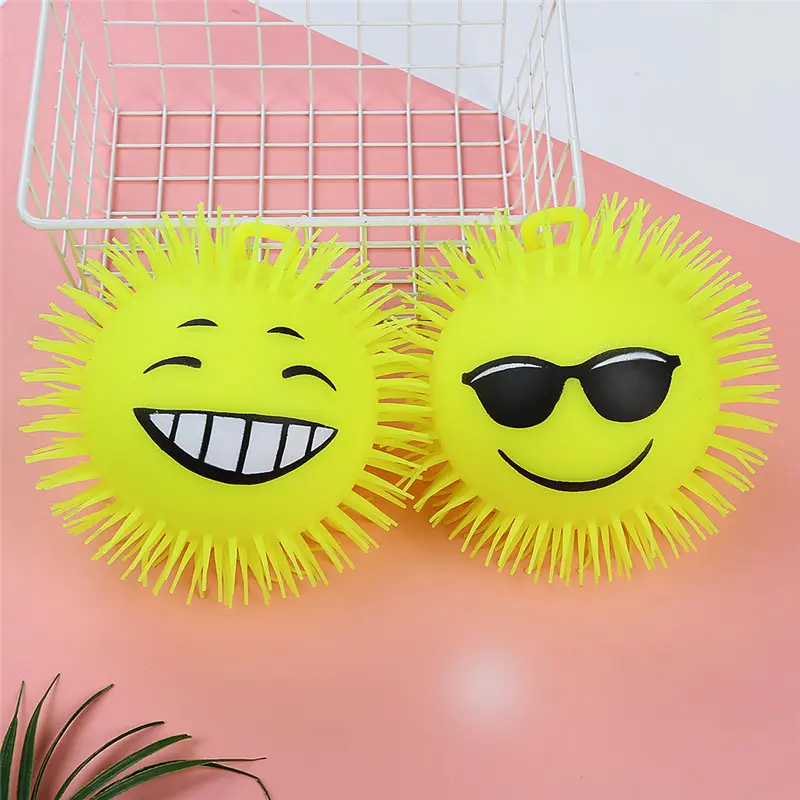
In terms of fine motor skills, kneading, squeezing, and stretching can improve a child’s finger strength, hand-eye coordination, and hand dexterity. For example, pressing the bumps on a stress ball or shaping a stuffed toy can unconsciously enhance a child’s hand control. For children with weaker language skills, toys can also become “icebreakers” for social interaction—when they hold their favorite stress-relieving toy, they might proactively share with their peers, “This feels soft,” or, with parental guidance, describe the toy’s color and shape, gradually opening up conversation.
More importantly, these toys help children develop an awareness of “self-regulation.” As they gradually discover that “squeezing toys can calm them down,” they slowly learn to actively seek this method when feeling anxious, which is the beginning of their emotional management skills. This self-regulation ability will become an important source of confidence when facing challenges in the future.
The Essence of Companionship: Understanding and Adaptation
For children with autism, stress-relief toys are not a “magic bullet,” but rather a “warm aid.” The core of choosing suitable stress-relief toys lies in “understanding the child’s needs”—every child has different sensory preferences and emotional characteristics. Some children like soft toys, some like bouncy ones, some need quiet toys, and some are not averse to slight sounds.
Good stress-relief toys always prioritize the child’s needs: safe materials, gentle design, and appropriate functions. They don’t forcefully intervene, but quietly accompany the child. They are like a gentle light, not dazzling, but illuminating the corners of a child’s heart; like a pair of warm hands, not rushing, but providing support when the child needs it.
Post time: Jan-28-2026