Novelty Toy Market Trend Analysis: Niche Demands and Blockbuster Potential that Wholesalers Must Pay Attention To
Against the backdrop of a continuously rising global emotional economy, the novelty and stress-relieving toy market is experiencing unprecedented development opportunities. The widespread pressure brought about by the fast pace of life has led consumers of all ages to seek convenient ways to relieve stress. Stress-relieving toys, with their lightweight, fun, and low-cost characteristics, have become one of the fastest-growing subcategories in the global toy market. According to industry data, the global stress-relieving toy market size approached $10 billion in 2023 and is projected to exceed $15 billion by 2028, with a compound annual growth rate of 8.5%. In this sector, “niche demand” is no longer a supplement to the market periphery, but rather a core source of blockbuster products. Grasping the specific pain points of niche markets has become key for global toy wholesalers to position themselves for the future market.
I. The Core Development Logic of the Global Novelty Toy Market: From “Functional Satisfaction” to “Emotional Value” The current consumer demand in the global novelty toy market has undergone a profound transformation from simple “entertainment and play” to “emotional comfort.” In the past, the core value of toys focused on functional aspects such as educational value and interactivity. Today, however, 80% of consumers say their primary motivation for buying stress-relieving toys is to alleviate stress and relax, and 70% of consumers acknowledge the emotional soothing effects of these products. This shift in demand has fundamentally changed the design, development, and selection logic of novelty toys.
From a regional consumption perspective, the demand preferences in different global markets exhibit significant differences, providing direction for exploring niche markets. The North American market prioritizes functionality and interactivity, with consumers willing to pay a premium of $10-20 for innovative, sound-generating, and transforming stress-relieving toys. The European market prioritizes environmental friendliness and aesthetic design, favoring products made from natural materials and featuring simple color schemes, with prices concentrated between €5-15. The Asia-Pacific market, particularly Japan and South Korea, favors cute, cost-effective products, with the $3-10 price range being the most popular. The Middle Eastern market seeks high-end, unique designs, with stress-relieving toys made of crystal and gemstones fetching prices of $50-100. The Latin American and African markets are primarily practical, favoring brightly colored, inexpensive basic products.
Meanwhile, the consumer base is no longer limited to children; adults have become a significant consumer force for novel stress-relieving toys. Office workers need quiet stress-relieving toys suitable for office settings, teenagers seek trendy finger toys that express individuality, and even the elderly are showing demand for grip-enhancing and fingertip-based toys that improve hand dexterity. The comprehensive coverage of needs across all age groups and multiple scenarios amplifies the value of niche markets. Products that precisely address the emotional pain points of specific groups often quickly transition from niche to mainstream.
II. Niche Needs: The “Hidden Growth Points” of the Global Market, Hiding the Most Authentic Consumer Pain Points
The essence of niche needs lies in unmet, segmented consumer pain points. In the global novelty toy market, seemingly “non-mainstream” needs actually represent the genuine demands of specific groups, and these demands are often the starting point for blockbuster products. Currently, several niche needs are rapidly emerging in the global market, becoming an indispensable strategic direction for wholesalers.
(I) “Scenario-Based Quiet Stress Relief” Needs Become a New Favorite in the Office and Campus Markets
In markets with high educational and workplace pressures, such as Europe, America, Japan, and South Korea, “scenario-based quiet stress relief” has become a necessity. Enclosed environments like offices and classrooms place strict demands on the “quietness” and “portability” of toys. Those small, noiseless, and easily operable stress-relief toys have become a niche but highly loyal product category. For example, the Tangle twist toy, composed of colorful plastic joint modules, can be twisted and folded at will without any noise. It quickly became popular among office workers in Europe and America, selling over 400,000 units globally through online channels in 2025 alone. This type of product precisely addresses the pain point of “inability to release stress in public settings,” gradually transforming from a niche office accessory into a mainstream stress-relieving item.
(II) “Emotional Support” Toys: Leveraging the Niche Market of the Emotional Economy
The spread of information on social media platforms like TikTok has made “emotional support” toys a hot segment in the global niche toy market. These products break away from traditional toy design concepts, integrating “emotional expression” into the product itself, becoming an “emotional ally” for consumers. For instance, the trash can-shaped crochet toy that went viral on TikTok in the US, printed with the emotional slogan “It’s fine, I’m fine, Everything is fine,” precisely resonated with the psychological state of young people facing pressure, selling 12,300 units in 7 days and topping the weekly toy charts in the US. As of 2025, videos related to toys with the hashtag #emotionalsupport on TikTok had garnered over 939 million views. Behind these nearly 90,000 related videos lies a strong global consumer demand for “emotional value.”
The core competitiveness of these niche products lies in addressing consumers’ desire for emotional expression. Whether the design is quirky, therapeutic, or fun, as long as it resonates emotionally with consumers, it can quickly accumulate a loyal following, laying the foundation for future blockbuster status.
(III) “DIY Decompression Toys”: A New Healing Option for All Ages
DIY decompression toys are breaking through the boundaries of the children’s market, becoming a niche preference for consumers of all ages worldwide. Originating in Sweden, Perler bead toys were initially used only for elderly rehabilitation training and children’s education. Now, thanks to the “instant positive feedback” of the hands-on experience, they are gaining popularity among young people globally, with market sales exceeding 100 million yuan in 2025. Consumers alleviate anxiety through focused hands-on creation, while the sense of accomplishment from the finished product provides psychological comfort. This dual value of “process healing + result satisfaction” makes DIY stress-relief toys a niche but rapidly growing category.
Furthermore, crochet kits, paint-by-number kits, and pipe cleaner sets continue to be popular in European, American, Japanese, and Korean markets. These products not only meet stress-relief needs but also possess social attributes. Consumers are happy to share their creations on social media platforms, creating a spontaneous dissemination effect that allows niche demand to continuously expand outwards.
(IV) “Animal-shaped Sensory Stress-Relief” Toys: Catering to the Consumption Needs of Young Children and Families
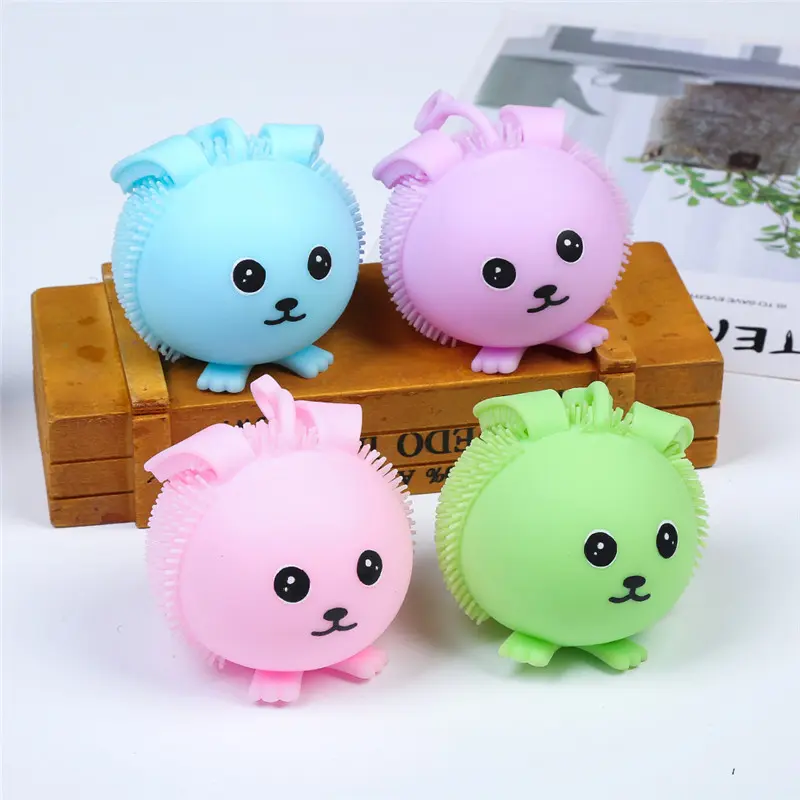
In the children’s stress-relief toy segment, “animal-shaped sensory stress-relief” toys have become a niche but essential category. Young children have a natural preference for soft, tactile, and cute products, while parents focus on product safety and sensory development value. Squeeze and stretch decompression toys shaped like marine animals and cute pets, with their soft texture and fun transformation effects, not only satisfy children’s play needs but also help develop their sensory development through hand manipulation, making them a niche choice for families in Europe, America, Japan, and South Korea. These products have extremely high requirements for material safety; those meeting international safety certifications often gain a reputation advantage in their niche market.
III. Potential for Blockbuster Products: From Niche to Mainstream, Unlocking the Secrets to Blockbuster Novice Toys
Niche demands are not isolated; every mature niche market holds the potential to create blockbuster products. In the global novelty toy market, those blockbuster products that have gone from “niche” to “mainstream” follow a common growth logic: accurately addressing specific pain points + social media platform dissemination + product quality and compliance support. For wholesalers, judging whether a niche toy has the potential to become a blockbuster can be approached from the following dimensions.
(I) Possessing “Social Media Attributes” is the Core Threshold for Moving from Niche to Mainstream
In the consumer era dominated by social media, whether a toy can become a hit depends first and foremost on whether it possesses “social media attributes.” Platforms like TikTok, Instagram, and YouTube are “incubators” for novel and trending toys worldwide. Products with unique designs, fun gameplay, and the ability to inspire user creativity often achieve viral spread through spontaneous user sharing.
For example, the quirky cactus toy that went viral on TikTok, with its dancing and sound-making effects, garnered over 273 million views for a single video, sparking a global buying frenzy. The pink stress-relieving pig toy, through its fun “slapping and throwing” gameplay, received 220 million views in 17 days, becoming a hit on cross-border e-commerce platforms. These products share the common characteristics of simple gameplay and visual appeal, encouraging users to create and share videos. The amplifying effect of social media platforms allows niche products to quickly reach the mass market.
For wholesalers, product selection should focus on whether the product has “displayable highlights,” whether it’s the design, gameplay, or emotional value. As long as it evokes a “desire to share” in consumers, it has the foundation to become a bestseller.
(II) Materials and Compliance: The Underlying Guarantee for Sustained Popularity of Bestsellers The consumer base for novelty and stress-relieving toys includes both children and adults. Especially for children’s products, material safety and international compliance are inviolable red lines and the underlying guarantee for sustained popularity. Different markets worldwide have strict toy safety certification standards, such as EN71 and CE certifications in Europe, CPSIA and CPC certifications in the United States, and the globally recognized BSCI certification. Products that fail to pass relevant certifications, even if they become popular in the short term, will find it difficult to sustain development in the market.
Meanwhile, consumers’ requirements for materials are constantly increasing. 40% of global consumers pay attention to the environmental friendliness and sustainability of stress-relieving toys, with markets in Europe, America, Japan, and South Korea placing particular emphasis on environmentally friendly materials. Products made with environmentally friendly and safe materials such as PVA, cornstarch, and organic cotton not only meet international compliance requirements but also align with consumers’ environmental needs, providing support for market expansion. A wide variety of fillings and materials allows products to adapt to different market demands, enhancing their potential to become bestsellers.
(III) Can “Category Innovation” Be Achieved to Break Through Homogeneous Competition? The global novelty toy market is becoming increasingly competitive. Homogeneous products like squeeze balls and fidget spinners are no longer attractive to consumers. Niche products with “category innovation” are more likely to stand out and become bestsellers. Category innovation is not about complete product disruption, but rather about optimizing details, adding functions, or extending the application scenario based on existing categories.
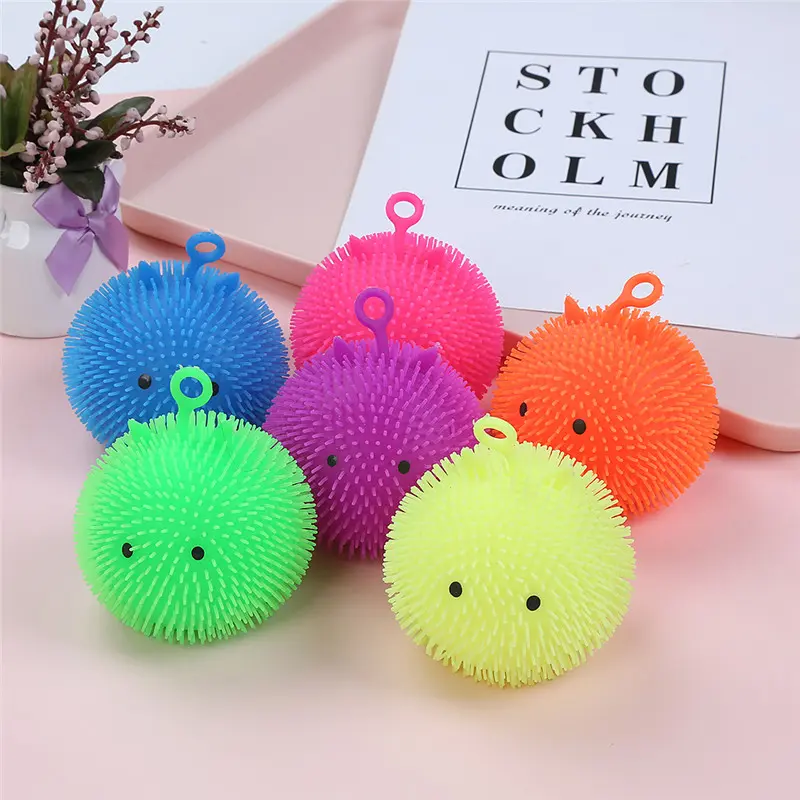
For example, adding LED lights and quicksand elements to traditional squeeze balls enhances the visual and tactile experience; designing ordinary stretch toys into marine animals or geometric shapes caters to the aesthetics of different consumer groups; combining decompression toys with keychains and desktop ornaments achieves a “decompression + practicality” functional combination. These small innovations allow products to differentiate themselves in niche markets, and differentiation is the core competitiveness of bestsellers. (iv) Adapting to All Age Groups, Expanding Market Coverage
Those blockbuster products that transition from niche to mainstream often possess the characteristic of being “suitable for all age groups.” A toy that only meets the needs of a single group will have limited market potential, while products that simultaneously cater to children, teenagers, and adults can maximize market coverage.
For example, fidget spinners, initially a niche toy for teenagers, later gained acceptance among adults and even the elderly due to their ability to improve hand dexterity and relieve stress, becoming a popular stress-relieving product for all age groups. Perler beads, from children’s educational tools, have evolved into a craft and stress-relieving option for young people, and then into a rehabilitation training aid for the elderly; their adaptability to all age groups has led to continuous market expansion. For wholesalers, choosing niche products that cover multiple age groups and scenarios can effectively enhance the market potential of blockbuster products.
IV. Wholesaler Strategy: Capitalizing on Niche Demands and Unlocking Blockbuster Potential
Faced with the global trend of novelty toy market development, the core strategy for wholesalers lies in accurately identifying niche demands, proactively positioning themselves in sub-categories with blockbuster potential, and simultaneously ensuring strong supply chain and quality control.
(I) Segmenting Products by Geographic Market to Precisely Match Regional Demand Preferences
Different regional markets have significantly different demand preferences. Wholesalers need to abandon a “one-size-fits-all” approach to product selection and instead focus on corresponding niche categories based on the consumption characteristics of the target market. For the North American market, prioritize innovative, highly interactive, and functional stress-relieving toys; for the European market, prioritize products made of environmentally friendly materials with minimalist designs; for the Japanese and Korean markets, focus on cute, cost-effective sensory stress-relieving toys; for the Middle Eastern market, introduce high-end, uniquely designed, and affordable luxury stress-relieving toys. By segmenting products by region, niche demands can be precisely matched with regional markets, increasing product market acceptance.
(II) Monitor Social Media Trends and Incubate Potential Hit Products Early
Social media platforms such as TikTok and Instagram are “trendsetters” for novelty toys globally. Wholesalers should establish a regular platform trend monitoring mechanism, paying attention to the product logic behind trending topics and viral videos, and proactively positioning themselves in niche categories that are on the rise. For products that already have some popularity on the platform but have not yet achieved widespread adoption, secure the supply chain promptly, seize market opportunities, and become among the first to create hit products.
(III) Strictly Control Product Quality and Compliance to Solidify Market Foundation
Whether catering to niche needs or creating hit products, quality and compliance are fundamental to establishing a foothold in the global market. When selecting suppliers, wholesalers should prioritize companies with international safety certifications and comprehensive quality control systems to ensure that products meet the certification standards of the target market. Simultaneously, focus on the environmentally friendly materials and sustainability of products, aligning with the environmental needs of global consumers and laying the foundation for the long-term development of the products.
(iv) Developing “Niche Combinations” to Reduce Market Risk For niche markets that are not yet fully mature, wholesalers can adopt a “niche combination” strategy, combining niche products from different subcategories into sets. This satisfies diverse consumer needs while reducing the market risk associated with individual products. For example, silent stress-relieving toys for office settings can be combined into a “workplace stress-relieving set,” and DIY stress-relieving toys can be combined into a “family craft set.” By combining these products, the overall competitiveness of the product line can be enhanced.
Post time: Mar-11-2026