Middle East Toy Import Compliance: A Guide for Wholesalers of Saudi SASO and UAE ECAS Certifications
In 2024, toy imports from the Middle East climbed to $2.1 billion, with Saudi Arabia and the UAE accounting for 57% of the market share. However, this blue ocean market hides compliance pitfalls—in 2012, Saudi Arabia detected that 90% of imported toys were substandard, with the core issues being lack of certification and excessive levels of harmful substances. For wholesalers of plastic and stress-relief toys, Saudi SASO and UAE ECAS certifications are insurmountable entry barriers. This article will systematically break down the key compliance points and practical solutions.
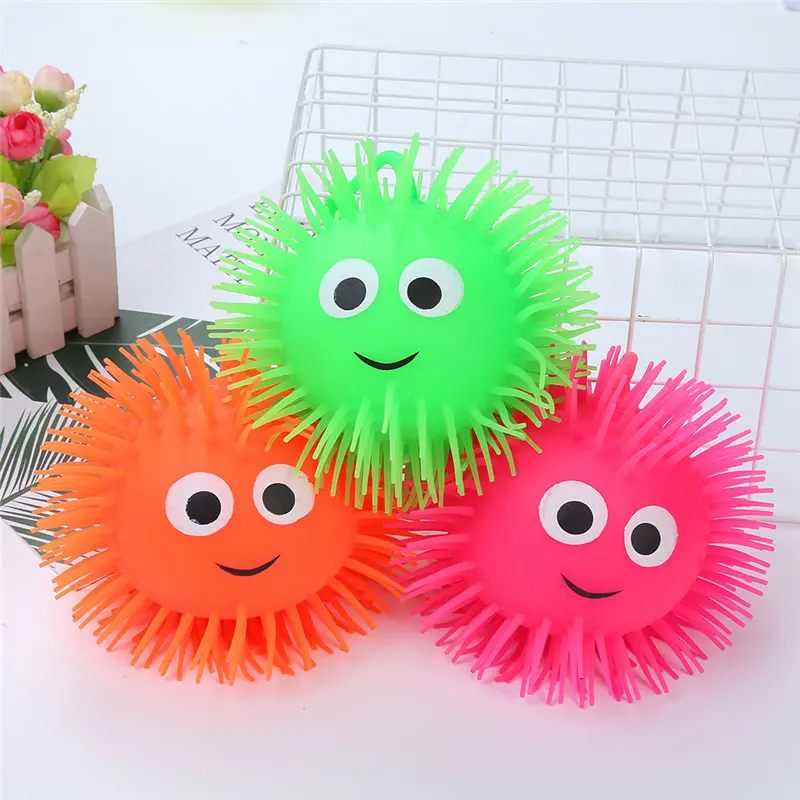
I. Core Certification Requirements: The Rigid Red Line for Toy Safety
Both certifications focus on child safety, but their specific standards differ. The chemical indicators of plastic toys and the physical properties of stress-relief toys are the key areas of regulatory oversight.
Saudi SASO certification is based on the SASO 2870 standard, which explicitly requires that the total amount of six phthalates, including DEHP and DBP, in plastic toys be ≤0.1%, and the lead content of coating materials be ≤90mg/kg. Regarding physical safety, small parts of decompression toys must pass a swallowing test for children under 7 years old, and the instantaneous noise of sound-producing decompression toys must not exceed 115 decibels. The certification mark must be permanently affixed to the main surface of the product, with a size no smaller than 10mm × 10mm.
The UAE ECAS certification follows the UAE.S 9639 standard, with chemical limits consistent with SASO, but it particularly emphasizes labeling language requirements—Arabic must be the primary language, with a font size no smaller than 8pt, and age warnings and warnings about the risks of small parts must be prominently displayed. It is worth noting that for products exported to both countries, ECAS certification results can serve as a reference for SASO certification, reducing redundant testing.
II. Application Process: Key Milestones from Testing to Certification
The two certification processes are similar but have different timelines; wholesalers need to plan ahead to avoid customs clearance delays.
The SASO certification process consists of four steps: First, submit an application form, product manual, and ingredient list to the authorized Saudi agency; second, send samples to a SASO-accredited laboratory for testing, with plastic toys requiring testing for heavy metal migration and plasticizer content, a process that takes approximately 2-3 weeks; for bulk imports, a factory audit is also required to verify the production process and quality control system; upon successful completion, a Certificate of Conformity (CoC) is awarded, valid for one year, with renewal applications required 60 days in advance.
ECAS certification offers three options: for single-batch imports, type approval is available, requiring only testing and document review, with certification taking 3-4 weeks; for long-term exports, registration certification is recommended, requiring additional ISO 9001 system audits, with a certificate validity of 1-3 years and annual surveillance inspections; toys involving electrical components also require supplementary energy efficiency testing. Applicants must provide information on the UAE importer and a trade license, and all technical documents must be accompanied by an Arabic summary.
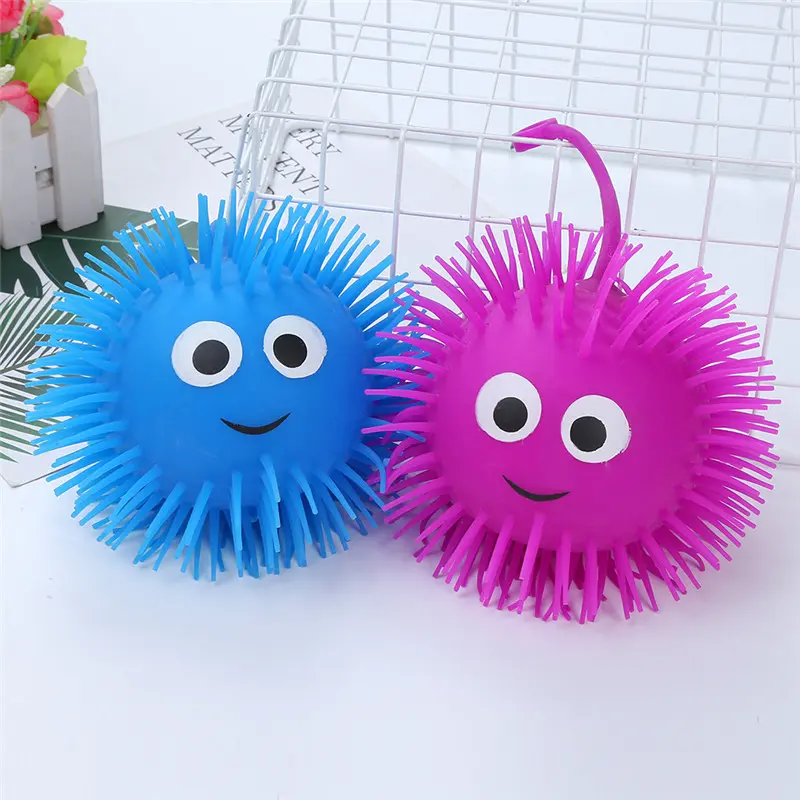
III. Compliance Misconceptions and Practical Recommendations: A Guide to Avoiding Pitfalls in the Middle East Market
Based on the characteristics of the Middle East market, wholesalers need to focus on avoiding three common misconceptions and implementing four recommendations.
Common misconceptions include: believing that “one-time certification is valid for life,” ignoring the one-year validity period of SASO certificates and the annual review requirements of ECAS; directly translating and using English labels, leading to incorrect Arabic wording; confusing GCC certification with ECAS certification, mistakenly using the G-mark, which is applicable to multiple countries, as a sole entry credential for the UAE. One case shows that a wholesaler suffered losses exceeding $100,000 due to the lack of Arabic warnings on the labels, resulting in the seizure of an entire batch of decompression toys at Dubai customs.
Practical recommendations include: First, prioritize testing institutions that offer “dual certification linkage” services, leveraging the mutual recognition between ECAS and SASO to reduce costs; second, establish a label review mechanism, hiring professional Arabic translators to verify warning statements and avoid dialect usage; third, adjust certification strategies based on market price differences—Saudi import prices are lower (approximately $3762/ton), allowing for a focus on controlling certification costs, while the UAE can accommodate certifications for higher value-added products; fourth, pay close attention to market inspection dynamics—UAE ESMA and Saudi SASO conduct annual market inspections, with non-compliant products facing removal from shelves and fines of up to 200,000 dirhams.
The Middle Eastern toy market is expanding at an annual growth rate of 6%, but compliance is a prerequisite for survival. Wholesalers need to incorporate SASO and ECAS certifications into the entire procurement process, clearly defining certification requirements from the supplier selection stage, while allowing 3-6 months for the certification period. Only by transforming compliance into a competitive advantage can stable profits be achieved in this $2.1 billion market.
Post time: Dec-05-2025