Methods for Identifying the Quality of Flashing Toys: 3 Key Checkpoints for Wholesalers to Avoid After-Sales Problems
For wholesalers of flashing toys, bulk purchases with quality issues not only result in direct losses from large returns and refunds, but also potential customer complaints due to safety hazards, and even damage to long-term partnerships with downstream channels. Unlike the scattered transactions of end-retailers, wholesalers’ quality control directly determines the risk baseline of the entire supply chain. Based on US CPSC recall cases, international toy safety standards, and industry experience, this article summarizes three core checkpoints to help wholesalers mitigate after-sales risks from the source.
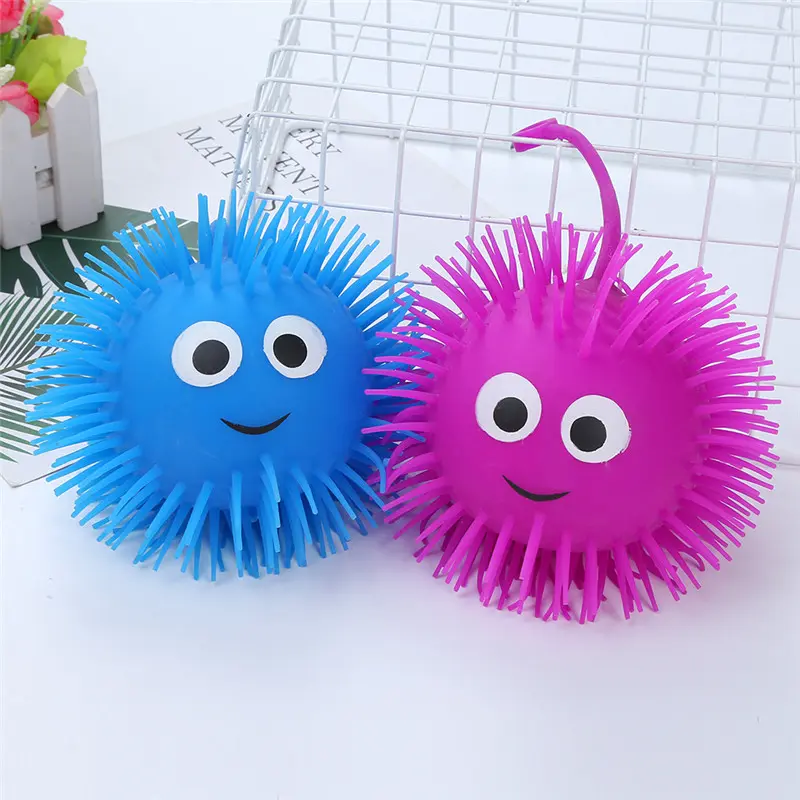
I. Electrical Safety Inspection: Eliminating the Fatal Hazards of Short Circuits and Leakage
The core risk of flashing toys lies in the electrical system. Burns caused by battery short circuits and electric shocks caused by leakage are among the main causes of toy recalls worldwide. In 2024, the US CPSC, in conjunction with Amazon, recalled 18,000 LED flashing magic wands due to a short circuit and overheating problem caused by a design flaw in the battery compartment, resulting in burns to children. Wholesalers should pay close attention to the following actionable identification points during factory inspections or sample acceptance:
- Circuit connection reliability test: Use a digital multimeter to measure the resistance of the circuit path. Abnormal fluctuations in the value may indicate poor soldering or broken wires. These defects can cause the toy to flicker or overheat. For battery-powered toys, repeatedly insert and remove the battery compartment 5-10 times to observe for loose contacts and prevent arcing due to poor contact.
- Visual inspection of insulation performance: Check the integrity of the insulation layer of live components such as LED beads and circuit boards, paying particular attention to whether there are cracks in the insulation layer at bends in the wires. A simple “wet hand test” can be used—touch the toy’s shell with slightly damp hands. If a slight stinging sensation is felt, it indicates a risk of leakage, and such products should absolutely not be accepted into the warehouse.
- Battery protection function verification: For flashing toys with built-in rechargeable batteries, the overcharge protection mechanism must be tested. After fully charging the toy, continue connecting it to a power source for 2 hours. If the outer casing heats up to over 40°C, it indicates a failure in the protection circuit, posing a fire hazard and failing to meet the requirements of IEC 62115:2017.
Tip: Prioritize suppliers with ASTM F963-17 or EN 71-1 electrical safety certification reports. These reports can verify that the product has passed professional tests such as short-circuit current withstand capability and temperature rise.
II. Flashing Performance Verification: Ensuring Stable and Compliant Core Experience
The flashing effect is a core competitive advantage of a product, but it is also a major area prone to after-sales complaints. Insufficient brightness, excessive flicker, and rapid luminous efficacy decay not only affect the consumer experience but may also pose health risks. The International Electrotechnical Commission (IEC) standard, revised in 2024, explicitly requires that the flashing frequency of toys not exceed 3 Hz to reduce the risk of photosensitive epilepsy in children. Wholesalers can control quality through a “triple verification method”:
- Brightness and stability test: Test the flash effect in both natural light and dark environments. High-quality products should maintain uniform brightness without significant fluctuations in either environment. A mobile photometer app can be used to assist in measurement, ensuring the light intensity is between 100-1000 lux. Excessive intensity can burn the retina, while insufficient intensity will diminish the flash’s attractiveness. After two hours of continuous operation, the brightness decay should not exceed 20% of the initial value; otherwise, it indicates a quality problem with the LED beads or current-limiting resistor.
- Flicker and spectral compliance check: Record the flash process in slow motion mode using a mobile phone. If obvious stripes appear in the image, the flicker frequency exceeds the standard. For the European market, it is necessary to specifically confirm that the product complies with the blue light limit requirements (RG0 level) of EN 71-1 standard. The transparent shell should be made of polycarbonate material with UV filtering function to avoid harmful light radiation.
- Mode switching and battery life verification: For multi-mode flash toys, continuously switch flash modes 50 times and observe for any stuttering or misfiring. Test the battery life of toys under rated operating conditions. Dry-cell battery-powered products should operate continuously for at least 8 hours, while rechargeable products must meet the requirement that capacity decay does not exceed 15% after 50 charge-discharge cycles.
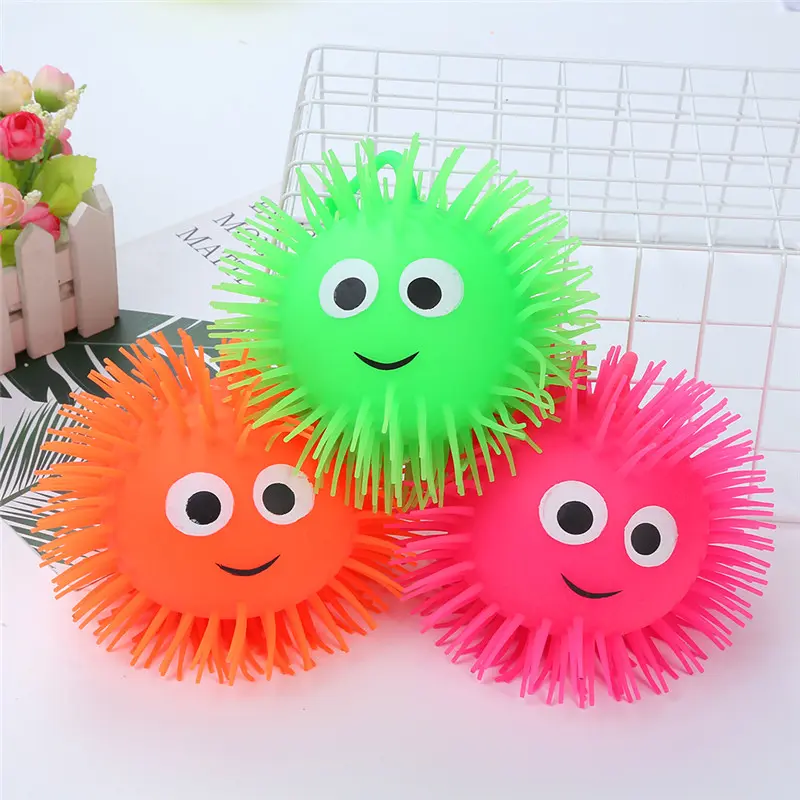
III. Mechanical and Material Inspection: Avoiding Physical Injuries and Durability Issues
The mechanical structure and material quality of flashing toys directly affect product durability and safety. Among the light-up magic wands recalled by the US CPSC, there were cases where small parts detached due to fragile plastic tips, leading to choking hazards. Wholesalers should focus on structural strength and material safety during sampling inspections:
- Structural Strength Test: For products with detachable parts such as flashing wands and flashing balls, conduct a 10N tensile test (using a standard spring scale). If small parts can be easily pulled out, it does not meet the ISO 8124-1:2018 mechanical safety standard. Drop the toy freely from a height of 1.2 meters onto a concrete surface three times; the outer shell should not crack, and internal components such as LED beads and battery compartments should not shift.
- Material Safety and Environmental Verification: Smell the product. A pungent odor may indicate excessive formaldehyde or phthalates, as these materials do not meet RoHS environmental requirements. Scratch the outer shell with your fingernail; high-quality products should not show obvious scratches. For flashing clothing and toys that come into contact with skin, confirm the fabric has passed a skin irritation test to avoid allergic reactions.
- Detailed Craftsmanship Inspection: Observe whether the toy’s edges are smooth and free of burrs to prevent scratches to children. Check the feedback force of the power buttons; after pressing repeatedly 100 times, if the button malfunctions or becomes stuck, it indicates insufficient button lifespan. For flashing toys intended for outdoor use, ensure the seams are well-sealed and that there are no water ingress marks after a simulated water splash test.
Conclusion: Quality Assessment is a Wholesaler’s Core Competency
In the context of increasingly stringent global toy safety regulations, a wholesaler’s quality control capabilities directly determine their market competitiveness. The three checkpoints mentioned above cover the core aspects where problems are most likely to occur in flashing toys. Through triple protection—”electrical safety as a safety net, flashing performance ensuring a good user experience, and robust and durable mechanical materials”—after-sales issues can be effectively reduced by more than 80%. It is recommended to establish a sampling inspection mechanism, sampling 5% of each batch of products, focusing on verifying electrical and mechanical safety indicators, and retaining third-party testing reports provided by suppliers. This not only mitigates risks for the company itself but also provides a reliable quality commitment to downstream channels.
Post time: Dec-15-2025