Essential Import Guidelines for Flashing Toys | A Must-Read for International Buyers
For global purchasers specializing in children’s stress-relief toys, flashing toys remain a top-selling category thanks to their entertaining features, decompression functions and attractive lighting effects. However, as electronic illuminated products designed for young kids, they face strict and differentiated regulations in customs clearance, safety certifications, product testing, supply chain management and after-sales services. Written from an international buyer’s perspective, this guide covers all core precautions for importing children’s flashing stress-relief toys, helping you reduce risks, improve efficiency and maintain stable procurement.
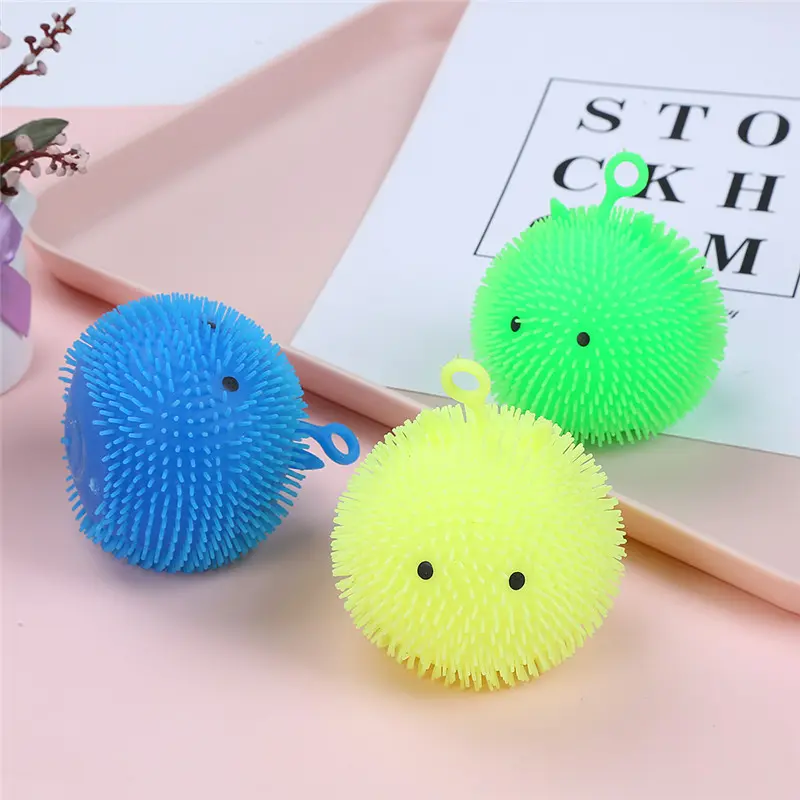
1. Core Compliance Thresholds for Importing Flashing Toys
Children’s flashing stress-relief toys fall under dual supervision: electric toys and kids’ products. Valid certifications and full compliance are mandatory for market entry in all mainstream regions.
1.1 European Market (CE + EN71 + EN62115)
- Mandatory CE certification complying with the Toy Safety Directive 2009/48/EC
- Key testing standards:
- EN71-1: Mechanical and physical properties (no detachable small parts, sharp edges or safety hazards from extrusion)
- EN71-2: Flammability requirements (fabric and plastic materials must be self-extinguishing)
- EN71-3: Strict limits on migration of 19 heavy metals such as antimony, lead and cadmium
- EN62115: Electric toy safety (circuit insulation, overheating protection and short-circuit prevention)
- Multi-language warning labels on packaging and user manuals, including age recommendations and choking hazard reminders
1.2 U.S. Market (CPC + CPSIA + ASTM F963)
- Official Children’s Product Certificate (CPC) issued by CPSC-recognized laboratories
- Critical compliance rules:
- CPSIA regulations: Total lead ≤ 100ppm; six types of phthalates ≤ 0.1%
- ASTM F963: Full compliance with physical, chemical and mechanical safety standards
- Small part warnings: No loose tiny components for toys targeted at children under 3 years old
- Complete certifications must be uploaded for listings on Amazon, Walmart and other mainstream e-commerce platforms
1.3 Other Major Global Markets
- United Kingdom: UKCA certification (replaces partial CE requirements post-Brexit)
- Australia & New Zealand: AS/NZS ISO 8124 safety standards
- Canada: CCPSA regulations covering heavy metals, flammability and small part control
- Middle East & Southeast Asia: CE or CPC certifications are widely accepted; confirm local customs rules in advance
2. Pre-Procurement Inspections: Product Safety & Quality Checks
Most flashing stress-relief toys adopt a combined structure of TPR/PVA soft glue, LED lights and built-in batteries. Since children often squeeze, bite or hold these toys closely, safety risks mainly focus on materials, circuits and overall structure.
2.1 Material Safety (Critical for Customs Clearance)
- Eco-friendly non-toxic raw materials with no pungent chemical odors
- Safe filling materials; no recycled materials, low-quality talcum powder or unknown glue compounds
- Durable environmental ink and paint that prevent color fading and heavy metal migration
- Perforated plastic packaging with clear choking hazard warnings as required by local laws
2.2 Safety of Lighting & Electronic Components
- Lockable battery compartments with screws to prevent kids from opening and swallowing button batteries
- Fully insulated internal circuits with no exposed welding points; no short circuits or overheating during squeezing
- Eye-friendly lighting with no strong glare or flickering to protect children’s eyesight
- Qualified standard button batteries; no uncertified low-quality batteries allowed
2.3 Structural Durability
- No cracking, leakage or overflow of filling materials after repeated stretching and squeezing
- Smooth edges with no burrs; stable shape and firm components after long-term use
- Water and sweat resistance to avoid circuit short circuits and electric leakage risks
3. Customs Clearance: Common Pitfalls for International Buyers
Complete documentation and accurate declaration are essential to avoid cargo detention, return shipments or fines.
3.1 Mandatory Documents for Customs
- Commercial invoices, packing lists, trade contracts and bills of lading
- Valid safety certifications and full test reports (CE, CPC, UKCA, etc.) matching target markets
- Certificates of origin to enjoy tariff preferences under RCEP and other free trade agreements
- Material composition statements, official warning label samples and battery specification documents
- Importer information, accurate HS codes, age grades and brand model details
3.2 Key Points for Declaration & Customs Inspection
- Declare product name, materials, electronic components, small parts and applicable age truthfully and accurately
- Customs focuses on certification validity, label compliance, small part safety, heavy metal content and flammability performance
- Avoid under-declaration, concealed declaration or incorrect commodity classification, which may lead to heavy penalties
3.3 Main Reasons for Cargo Detention
- Expired or invalid certifications that do not match actual product models
- Failure to meet standards for small parts, heavy metal limits or flammability
- Missing warning labels or non-compliant safety instructions
- Inconsistent information between documents and physical goods
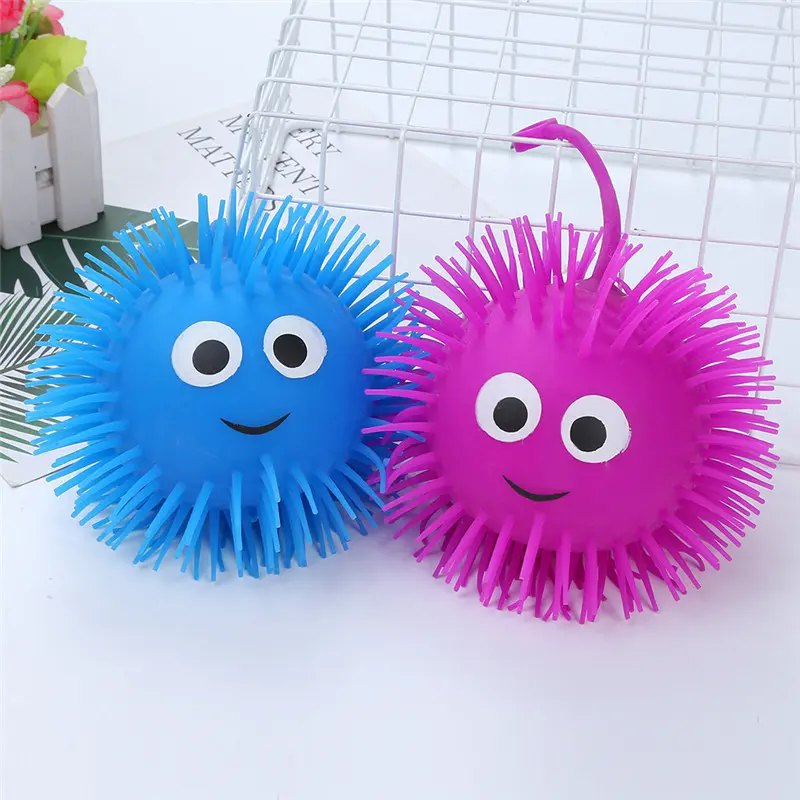
4. Supply Chain & Pre-Shipment Inspection: Ensure Stable Bulk Supply
For international buyers, factory qualification directly determines product compliance and long-term supply stability.
4.1 Factory Selection Standards
- Possess complete export toy qualifications and full familiarity with EN71, CPSIA, CE, CPC and BSCI audits
- Professional mature production lines for flashing stress-relief toys with strict quality control systems
- Able to provide raw material test reports and finished product inspection documents
- Support customized services: personalized colors, logo printing, exclusive packaging, adjustable light modes and diverse filling materials
4.2 Essential Bulk Goods Inspection Items
- Random sampling to check appearance, odor, workmanship and structural strength
- Full power-on testing: normal lighting, no abnormal flickering, overheating or strange noises
- Repeated squeezing and stretching tests to ensure no damage or material leakage after 50 to 100 uses
- Verify all certifications, labels, packaging and user manuals comply with pre-agreed requirements
- Confirm quantity, outer carton size, gross weight and shipping marks to avoid logistics errors
4.3 Packaging & Logistics Arrangements
- Shockproof inner packaging and reinforced outer cartons suitable for long-distance sea and air transportation
- Clear labels marked with product name, model, quantity, origin, safety warnings and importer details
- Classify battery-containing products correctly as general goods or special goods in accordance with shipping regulations
- Cooperate with forwarders experienced in toy customs clearance to reduce inspection delays
5. After-Sales & Compliance Maintenance for Long-Term Import
- Keep all certifications, test reports and inspection records for at least 1 to 2 years to cope with market spot checks and customer complaints
- Establish batch traceability systems linking production batches, test data and raw material sources
- Sign clear terms for compensation, replacement and return of defective products to reduce trade risks
- Track updates of regional safety regulations and renew relevant certifications in a timely manner
6. Summary: Golden Rules for Importing Flashing Stress-Relief Toys
- Prioritize valid certifications before placing orders; never take chances with compliance
- Strictly control material, circuit and structural safety to protect children’s health
- Prepare complete and accurate customs documents to avoid detention and extra costs
- Cooperate with professional toy manufacturers with reliable quality control and stable supply
- Conduct full-process inspections from raw material incoming to final shipment
The global demand for children’s flashing stress-relief toys continues to grow. By adhering to strict compliance, safety and quality standards, international buyers can achieve stable long-term procurement and sustainable sales in global markets.
Post time: Apr-01-2026