A New Alternative to Traditional Toys: TPR (Total Physical Response) Relaxation Toys
In today’s fast-paced life, children inevitably face minor pressures from schoolwork and social interactions. Traditional toys, whether focused on early learning or outdoor interaction, rarely precisely address children’s core need to “release emotions and relieve tension.” TPR (Total Physical Response) relaxation toys not only fill this gap but also offer unique advantages, making them a high-quality alternative to traditional toys. They allow children to easily unwind through tactile sensations and engaging interactions.
Why are “stress-relieving alternatives” to traditional toys needed?
Traditional toys undoubtedly hold childhood memories for generations, but they have inherent limitations in terms of “emotional release.” Educational toys like building blocks and puzzles require high concentration, which may actually increase children’s stress; plush toys, while soft, lack the stress-relieving properties of active interaction; and outdoor toys are limited by location and weather, failing to meet children’s need for relaxation anytime, anywhere.
As parents become increasingly concerned about their children’s mental health, the demand for toys that are “stress-relieving, easy to use, and safe” is growing. TPR (Thermoplastic Propionate) stress-relieving toys target this need, breaking down the functional boundaries of traditional toys. With “emotional release” as their core design concept, they allow children to naturally relieve stress through interactions without complex rules or scene constraints, becoming an important supplement to traditional toys.
TPR Material: The “Golden Core” of Stress-Relief Toys
The advent of TPR material has given stress-relieving toys a soul, making it a core competitive advantage as a substitute for traditional toys. This material combines the softness and elasticity of rubber with the safety and stability of plastic, perfectly meeting the stringent requirements of children’s toys.
From a safety perspective, high-quality TPR stress-relieving toys have passed international safety certifications such as EN71, CE, and CPSIA. They are odorless and do not release harmful substances. Even if children frequently come into contact with them or occasionally bite them, parents do not need to worry—this is more reassuring than the potential safety hazards of paint peeling or overly hard materials in some traditional toys.
In terms of tactile experience, TPR material is soft yet doesn’t collapse, offering rapid rebound and resilience. When children pinch, squeeze, knead, and pull it, they experience just the right amount of resistance while easily controlling the degree of deformation. The therapeutic power of this delicate tactile sensation is unmatched by traditional toy materials like hard plastic and wood. Furthermore, TPR material is wear-resistant and doesn’t easily deform, maintaining its good condition even after prolonged and repeated play, its durability being in no way inferior to traditional toys.
More importantly, TPR material supports diverse environmentally friendly production processes. Many brands insist on using biodegradable raw materials and low-carbon production methods, ensuring that toys not only bring joy to children but also contribute to environmental protection—a concept that aligns perfectly with the globally promoted sustainable living philosophy.
The “Stress-Relief Magic” of TPR Toys: More Than Just Play, It’s About “Healing”
The stress-relieving effect of TPR toys doesn’t come from nowhere; it stems from their precise understanding of children’s senses and emotions:
Tactile Soothing, Relieving Tension:The soft elasticity and delicate texture of TPR material transmit signals to the brain through the fingertips, triggering relaxation. When children feel anxious or irritable, repeatedly squeezing the toy is like a “fingertip massage,” effectively relieving tension and calming emotions.
Hand Movement, Releasing Psychological Stress:When children squeeze, stretch, and knead the toy, their hand muscles move rhythmically. This active physical interaction transforms psychological stress into physical release. Especially with TPR toys filled with materials like starch, beads, or water, the fluidity of the filling can be felt when squeezing, enhancing the stress-relieving effect while adding fun.
Focused Immersion, Shifting Negative Emotions:The interactive method of TPR toys is simple and direct, requiring no complex thinking, allowing children to quickly immerse themselves in the experience. When children focus on the toy’s transformation, rebound, and tactile sensation, they temporarily forget their minor troubles, shifting their attention away from negative emotions and achieving a psychological adjustment effect.
Diverse Options: “Emotional Helpers” for Different Children
As an affordable alternative to traditional toys, TPR stress-relieving toys offer a wide variety of designs to meet the needs of children of different ages and preferences:
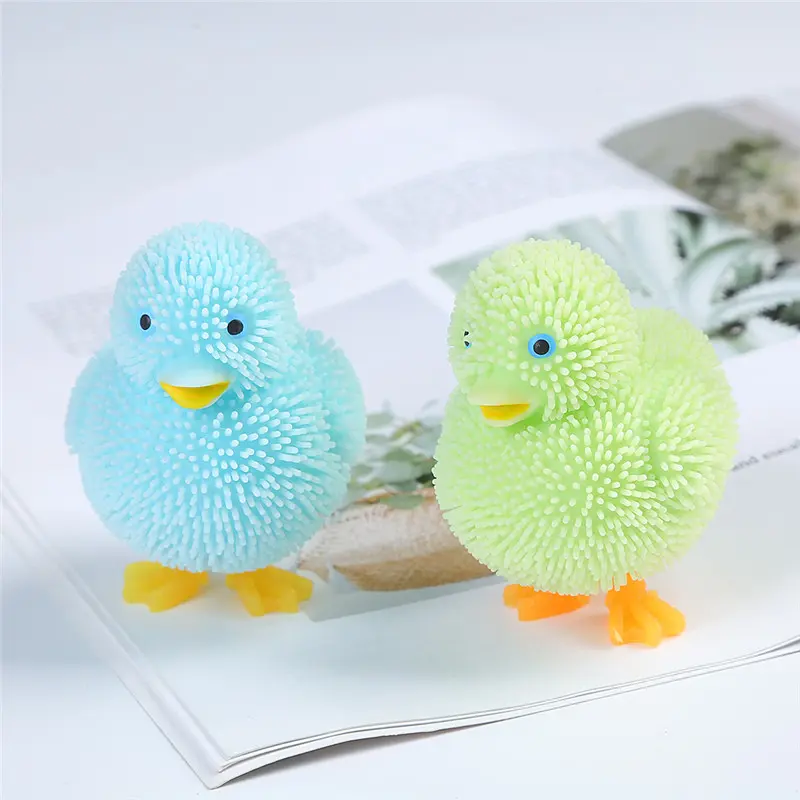
Animal Shapes: Cute animal shapes such as whales, dolphins, sharks, and chubby cats are inherently appealing, making them instantly likable. The soft TPR material enhances the tactile experience of these animal figures, making them round and soft to the touch. They not only relieve stress but also serve as “little companions” for children, helping them through quiet moments alone.
Geometric Fun Shapes: Stress balls in simple geometric shapes such as circles, squares, and polygons offer a clean yet sophisticated design. Some models also feature textured surfaces, adding to the tactile richness. Whether held in hand or easily carried in a pocket, they are incredibly convenient.
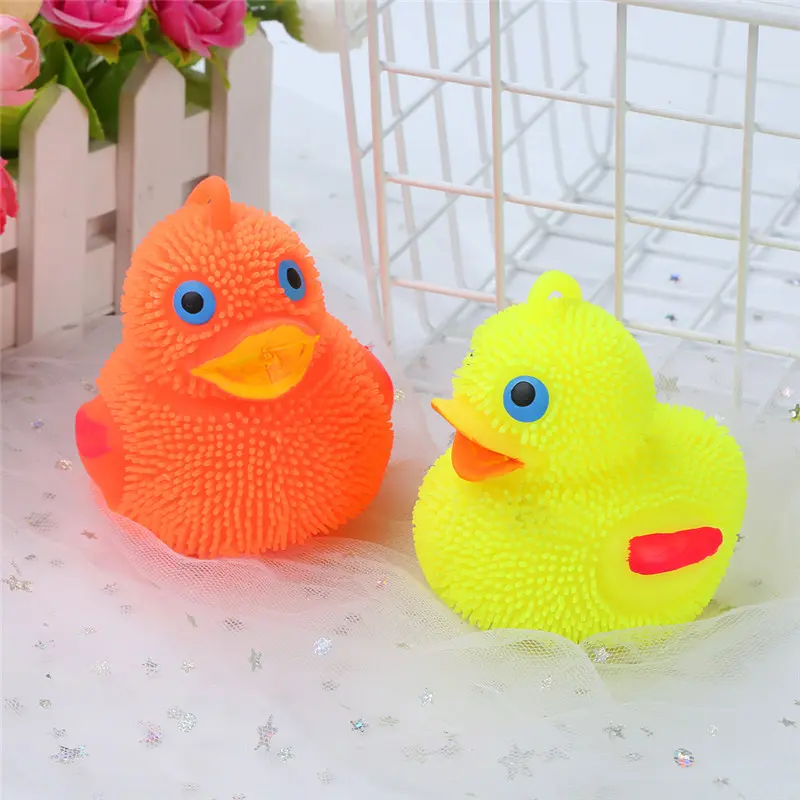
Creative Filling Types: TPR toys incorporating LED lights, pectin, sand, and other filling materials combine fun and stress relief. Pressing them may emit soft light or create the sensation of internal particles flowing, making the stress-relief process novel and more captivating for children than traditional toys.
Boundless Application: Lightweight Stress Relief Anytime, Anywhere
The portability of TPR stress-relieving toys is an advantage that traditional toys struggle to match. Small and lightweight, they easily fit into backpacks and pockets, allowing children to enjoy stress-relief moments in various situations:
At Home: After finishing homework, squeezing the stress-relieving toy relieves fatigue from studying; when feeling excited and unable to fall asleep before bed, the fingertip interaction calms emotions and helps children drift off to sleep peacefully.
School Scenarios: During ten-minute breaks between classes, sharing stress-relieving toys with classmates releases the pressure of classroom focus through relaxed interaction; when feeling down after minor setbacks, quietly taking out the toy to play with quickly adjusts one’s mindset.
During travel: Children are prone to boredom and irritability while traveling by car or waiting at airports. Stress-relieving toys can act as “emotional stabilizers,” making long waits more interesting and peaceful.
Conclusion: Alternatives are not replacements, but upgrades that better understand children’s needs.
TPR (Total Physical Response) stress-relieving toys can be excellent alternatives to traditional toys. They don’t aim to replace the value of traditional toys, but rather to precisely address children’s emotional needs, providing a more targeted option that fits the pace of modern life.
Post time: Jan-30-2026